A pet bird can be part of your family for many years. Over that time, small daily choices about food, light, and safety add up to a long, healthy life or a string of avoidable problems.
This guide to keeping pet birds focuses on long-term husbandry. You will learn how to set up the cage, what to feed, how much sleep birds need, which household hazards to remove, and how to start training and reading body language.
Setting Up the Cage for the Long Term
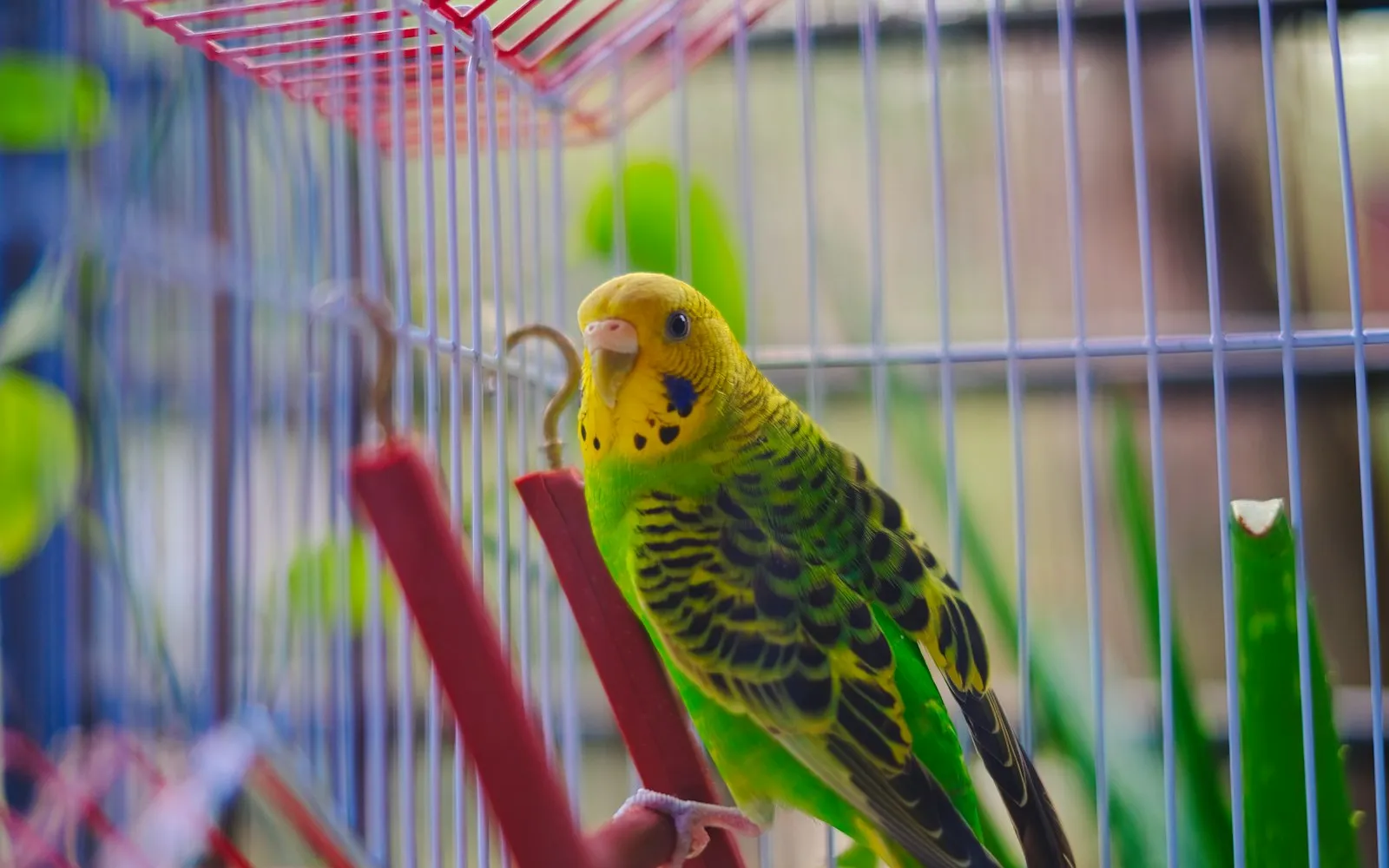
The cage is your bird's bedroom, dining room, and gym. Buy the largest one that suits your species and your space. Your bird should be able to spread and flap its wings fully inside it.
For small birds, a cage that is wider than it is tall allows more natural flight. Choose sturdy, bird-safe metal with bar spacing suited to your species, so the bird cannot squeeze its head through.
Where to Put the Cage
- In a room where the family spends time, so the bird feels part of the flock
- With one side against a wall for security
- Away from drafts, heaters, and air-conditioning vents
- Out of direct sun, with shade always available
- Never in or next to the kitchen
Choosing Perches
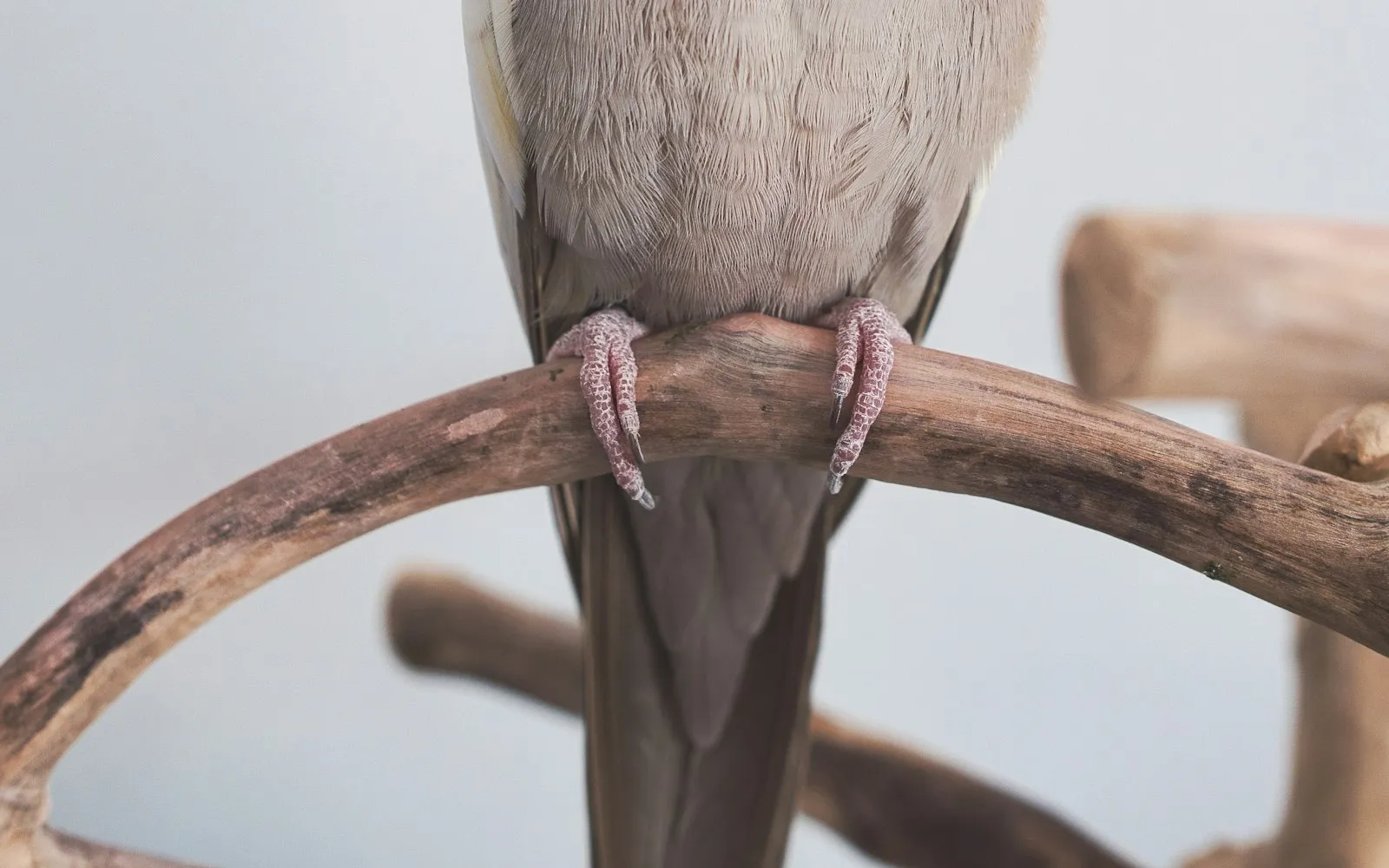
Birds stand on their feet all day, so perch variety matters. Offer natural wood branches of different widths, plus one flat or rope perch. Avoid relying on sandpaper-covered perches, which can irritate feet.
Place perches so droppings do not fall into food or water dishes.
Inspect the cage every few weeks. Over years of keeping pet birds, rust, chipped coatings, and loose wires can appear, and each one is a safety risk worth fixing quickly.
Feeding for a Long, Healthy Life
Diet is where many beginners go wrong when keeping pet birds. Seeds are tasty, and birds often pick out their favorites. The Merck Veterinary Manual warns that pure seed diets are high in fat and deficient in calcium, vitamin A, and other nutrients.
A Balanced Plan
Merck suggests these rough targets, which your avian vet can adjust:
- Small birds (budgies, cockatiels, lovebirds): about 40 to 50% pellets, 30 to 40% seed mix, 10 to 15% vegetables, and 5 to 10% fruit
- Large parrots: about 80% pellets, 10 to 15% vegetables, and 5 to 10% fruit
Switch a seed-eating bird to pellets gradually. Some birds take weeks to accept new food, so ask your vet how to do it safely and watch that your bird is actually eating.
Foods to Keep Away From Birds
PetMD lists several human foods that are dangerous to birds:
- Avocado
- Chocolate and caffeine
- Apple seeds and fruit pits such as cherry, peach, and plum
- Onion and garlic
- Xylitol and very salty or fatty snacks
[Internal Link Suggestion: daily and weekly routine → bird care basics every new owner should know]
Light, Sleep, and Bathing
Birds need a steady day and night rhythm. Aim for about 10 to 12 hours of dark, quiet sleep each night. A breathable cage cover or a separate sleeping room helps if your household stays up late. Consistent bedtimes are an underrated part of keeping pet birds calm.
Long days of artificial light can trigger hormonal behavior and, in some females, excessive egg laying. If you notice this, talk to your avian vet about adjusting light hours.
Most birds love to bathe. Offer a shallow dish of lukewarm water or a light mist from a clean spray bottle used only for your bird. Bathing helps keep feathers and skin in good condition.
Household Hazards to Remove
Birds have very sensitive lungs. VCA offers a simple rule: if you can smell it, it may harm your bird's respiratory tract.
Non-Stick Cookware (PTFE)
This is one of the biggest dangers in keeping pet birds. VCA explains that when PTFE, the coating in many non-stick pans, is heated above 536°F (280°C), it releases toxic fumes. Sudden death may be the only sign.
PTFE is also found in some drip pans, clothes irons, ironing board covers, and heat lamps. Many bird owners switch to stainless steel or cast iron cookware.
Other Common Dangers
- Aerosols and fumes: air fresheners, scented candles, cleaning sprays, paint, and smoke
- Ceiling fans: turn them off whenever your bird is out
- Open windows and doors: escaped birds are hard to recover
- Glass and mirrors: birds may fly into them
- Electrical cords: birds love to chew
- Lead and zinc: old paint, jewelry, and some toy clasps
- Open water: sinks, toilets, and fish tanks can drown a bird
- Other pets: cats, dogs, and ferrets are predators
Before every out-of-cage session, do a quick sweep: fans off, windows and doors shut, other pets out of the room, and nothing on the stove.
Enrichment for Busy Minds
Parrots and many small birds are intelligent and need daily mental work. In the wild they spend hours searching for food, so boredom is a real problem when keeping pet birds indoors.
- Offer shreddable toys made of paper, cardboard, or soft wood
- Hide treats in foraging toys or paper cups
- Rotate toys weekly so the cage feels new
- Provide daily supervised time outside the cage in a bird-safe room
Taming and Training Basics
Training builds trust and gives your bird mental exercise. Keep sessions short, about 5 to 10 minutes, and end on a success.
- Let a new bird settle for several days before you start.
- Sit near the cage and talk softly so it gets used to you.
- Offer a favorite treat by hand through the bars.
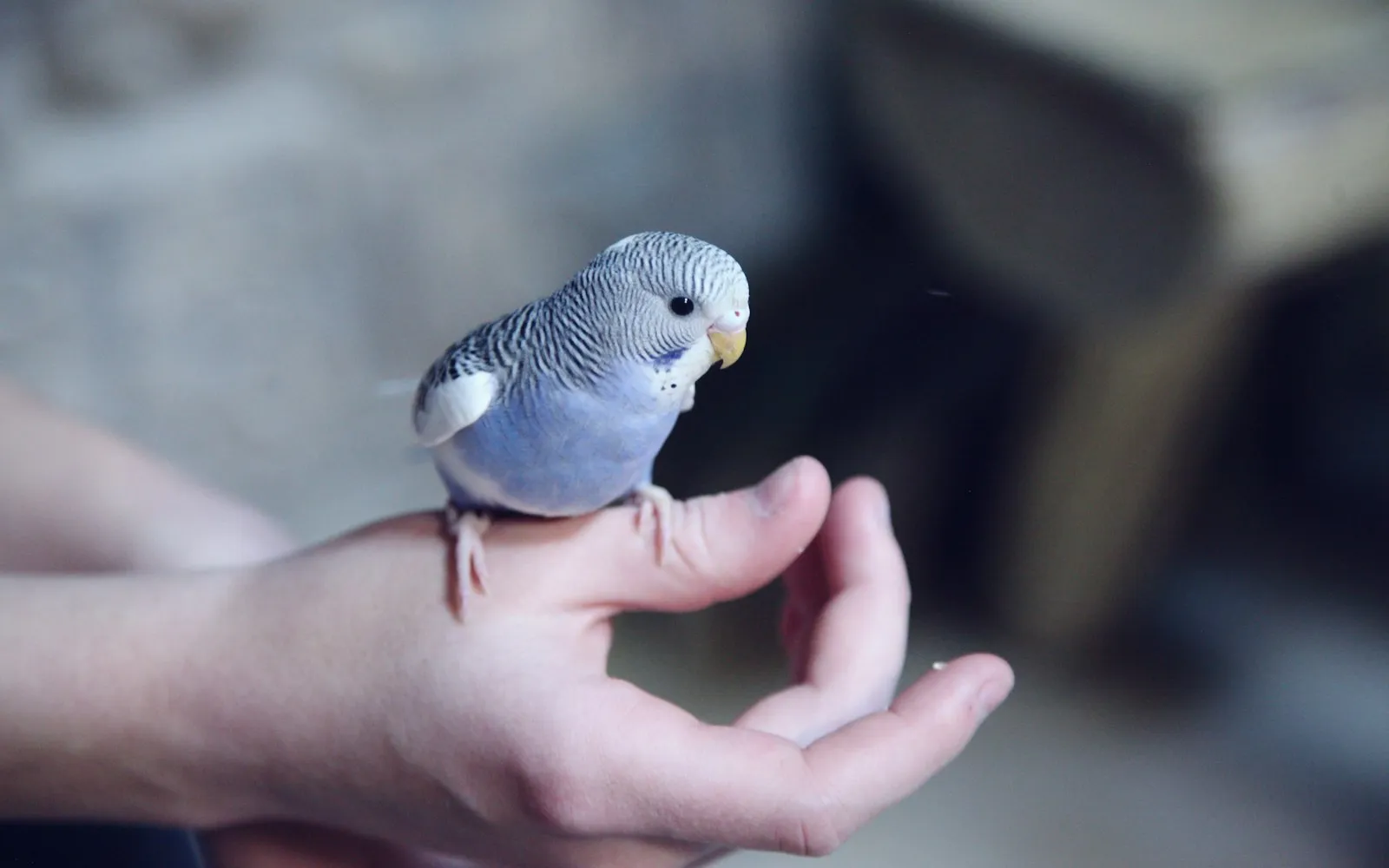
- Teach "step up" onto a finger or hand-held perch using gentle pressure at the belly and a treat reward.
- Add simple cues such as target training once step-up is reliable.
Rule of thumb: reward what you like, ignore what you don't, and never punish, shout, or blow on your bird.
[Internal Link Suggestion: picking a species that suits you → how to choose the right pet bird for your home]
Reading Your Bird's Body Language
Learning your bird's signals is one of the most rewarding parts of keeping pet birds. Every bird is an individual, but some signs are common:
- Beak grinding at rest: usually a relaxed, sleepy bird
- Briefly fluffing, then smoothing feathers: normal preening or settling
- Staying fluffed for long periods: possible illness
- Feathers slicked flat and leaning away: fear
- Pupils rapidly shrinking and widening ("pinning"): excitement, sometimes a warning before a bite
- Crouching with an open beak: "back off"
Context matters. A pinning parrot eating its favorite food is probably just excited, while the same signal during handling may mean "stop."
When to See a Vet
A trusted avian vet is your best partner in keeping pet birds healthy. Plan a checkup at least once a year, and sooner if anything changes. Seek urgent care for breathing trouble, tail bobbing, bleeding, a bird on the cage floor, or any possible exposure to fumes, lead, or toxic food.
If you suspect fume exposure, move your bird to fresh air right away and call your vet. Never give human medicines or home remedies.
Final Thoughts
Keeping pet birds well is about steady habits: a thoughtfully placed cage, a balanced diet, good sleep, a bird-safe home, and patient training. Get those right and your bird can thrive for years. Find more help in our bird care guides.
[Internal Link Suggestion: first days with a new bird → what to know before bringing a pet bird home]