Snakes are quiet, clean, and surprisingly easy to live with once their setup is right. A calm corn snake or ball python can become a gentle, fascinating companion that lives for decades.
But snakes are very different from mammals. They rely on you for heat, humidity, security, and the right food at the right time. This guide explains the snake care basics every beginner should know, so you can start with confidence and avoid the most common mistakes.
Choosing a Beginner-Friendly Snake
Good snake care begins with choosing the right species. For first-time owners, the most popular choices are:
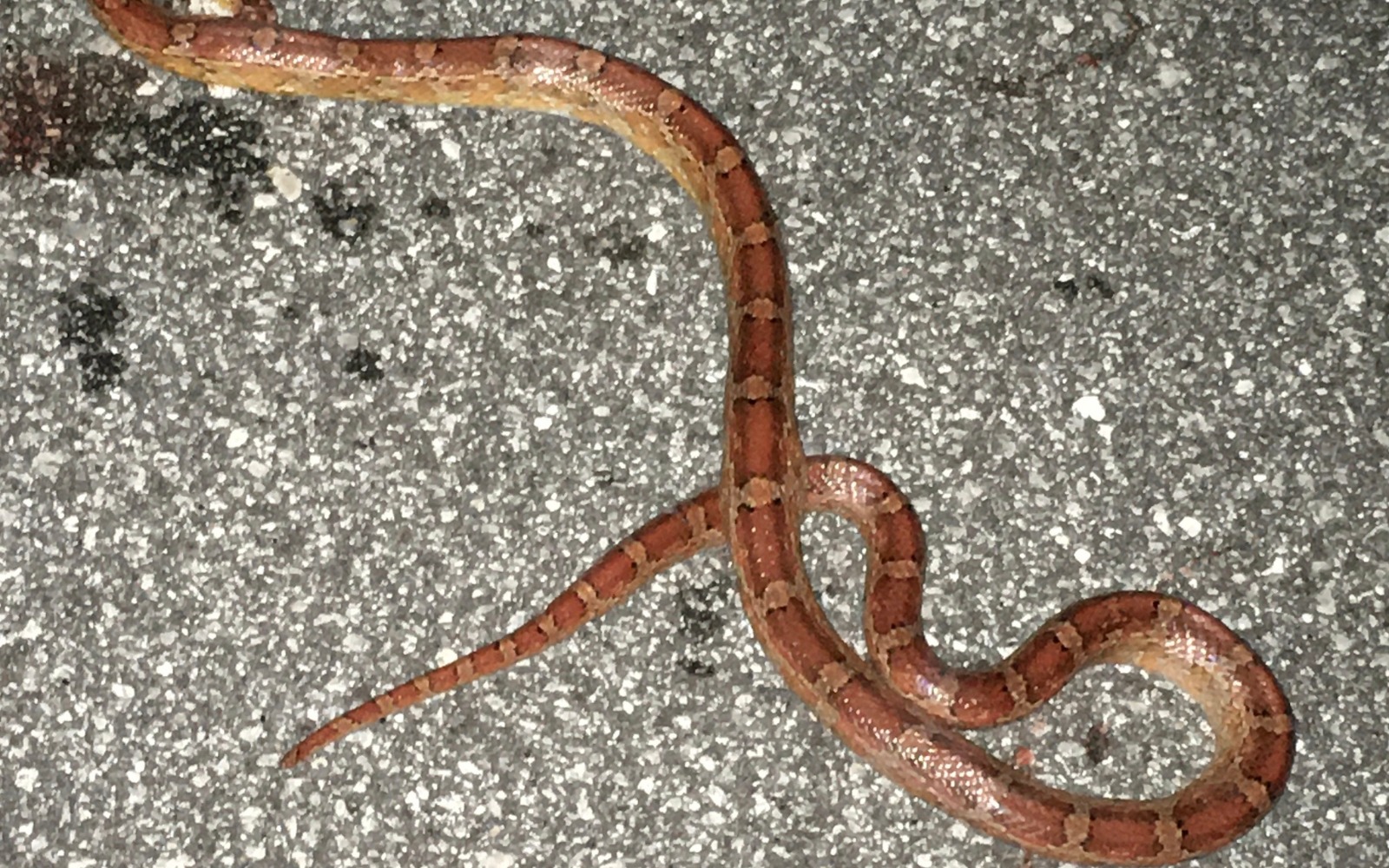
- Corn snakes: calm, active, hardy, and usually eager eaters
- Ball pythons: docile and shy, but sometimes picky about food
- Kingsnakes and milk snakes: hardy and colorful, but faster moving
- Western hognose snakes: small and full of personality
Always buy captive-bred snakes from a responsible breeder. Ask what the snake is eating and how often, and whether it takes frozen-thawed prey.
[Internal Link Suggestion: comparing easy starter species → best reptiles for beginners: easy pets to start with]
Setting Up a Secure Enclosure
Snakes are famous escape artists. They can push through tiny gaps and lift loose lids. Security is the first rule of snake care.
Size
Choose an enclosure that lets your snake stretch out comfortably and explore. Hatchlings may feel safer in a smaller space at first, but plan for the adult size. Many keepers upgrade as the snake grows.
Locks and Lids
Use an enclosure with locking doors or clips on the lid. Check for gaps around cords and vents. A snake that escapes can get cold, stuck, or injured.
Hides and Décor
Snakes feel safe when they are hidden. Provide at least two snug hides, one on the warm side and one on the cool side. Add branches, cork bark, and fake plants for cover and climbing. A cluttered enclosure is a comfortable enclosure for most snakes.
Substrate
Aspen shavings suit many dry-climate snakes like corn snakes. Coconut husk or cypress mulch holds humidity well for species like ball pythons. Avoid cedar, which has oils that can harm reptiles.
Heat and Humidity
Temperature control is central to snake care. Like all reptiles, snakes rely on outside heat. Create a warm side and a cool side so your snake can choose what it needs.
- Use a heat mat, ceramic heat emitter, or heat lamp as your heat source
- Connect every heat source to a thermostat
- Measure temperatures with digital thermometers on both ends
- Track humidity with a digital hygrometer
Humidity matters a lot in snake care. Low humidity is a common cause of stuck sheds. Tropical species like ball pythons need higher humidity than corn snakes. Research the correct ranges for your species.
Never let your snake touch an unprotected heat source. Burns are common and can be severe.
Feeding Your Snake
Feeding is the part of snake care that worries many beginners, but it quickly becomes routine.
Frozen-Thawed Is Safest
VCA Animal Hospitals recommends training snakes to eat dead prey, because it is more humane for the prey and safer for the snake. VCA also warns that even a small bite from a live mouse can cause a severe infection in a snake. Frozen-thawed rodents are easy to store and remove that risk.
How to Feed
- Thaw the rodent in the fridge or in a sealed bag in warm water.
- Warm it slightly so it feels like live prey.
- Offer it with long feeding tongs, never with your fingers.
- Let your snake eat in peace, and remove uneaten food after a short while.
Never thaw prey in the microwave, which can cook it unevenly.
Prey Size and Schedule
Choose prey about as wide as the widest part of your snake's body. VCA notes that younger and smaller snakes usually eat about twice a week, while larger adult snakes often eat once every week or two. Your breeder and vet can help you set a schedule for your species.
Refusing Food
Snakes sometimes skip meals, especially before shedding, during cooler months, or after moving to a new home. Ball pythons are well known for this. Check your temperatures first, give your snake time, and see a vet if weight loss appears.
Shedding
Watching sheds is a useful snake care habit, because they show how well your setup is working. Snakes shed their skin in one piece as they grow. Before shedding, their eyes turn cloudy blue and their colors look dull. This is normal.
- Avoid handling during this time
- Keep humidity in the correct range
- Provide a humid hide with damp moss
- Check that the eye caps and tail tip came off
A healthy snake usually sheds in one piece. Patchy sheds often point to low humidity or dehydration.
Handling Your Snake
Handling should be calm and predictable, and it is a part of snake care that gets easier with practice. Let a new snake settle in for about a week before handling. Then build trust slowly.
- Pick the snake up from the side, supporting its body
- Let it move through your hands rather than gripping it
- Keep sessions short at first, around 10 to 15 minutes
- Avoid handling for a day or two after feeding to prevent regurgitation
- Wash your hands before and after handling
Most defensive bites happen when a snake confuses a hand for food. A snake hook or gentle tap on the head with a hook can signal "handling time, not feeding time."
Hygiene
Clean habits protect both you and your pet, so make hygiene a regular part of snake care. Spot-clean waste as soon as you see it and change water often. Deep-clean the enclosure regularly. The CDC advises washing your hands after touching reptiles, their habitat, or their food, including frozen rodents, and keeping these items away from your kitchen.
A Weekly Snake Care Checklist
A simple checklist keeps snake care consistent, even when life gets busy.
- Daily: check temperatures and humidity, refresh water, and look for waste
- Feeding day: thaw and offer prey, then leave your snake undisturbed
- Weekly: weigh your snake, clean the water bowl well, and inspect the skin
- Monthly: deep-clean décor and replace soiled substrate
Keep a small log of feeding dates, sheds, and weights. Patterns in that log often reveal problems long before your snake looks unwell, and the notes are very useful for your vet.
Common Snake Care Mistakes
- Loose lids or gaps that allow escapes
- No thermostat on heat sources
- Feeding live prey without supervision
- Too few hides, which makes snakes stressed
- Handling right after meals
- Ignoring humidity, leading to bad sheds
When to See a Vet
Good snake care includes a check-up with a reptile vet soon after you bring your snake home. After that, contact your vet if you notice:
- Wheezing, bubbles or mucus around the mouth or nose, or open-mouth breathing
- Retained eye caps or repeated stuck sheds
- Lumps, swelling, burns, or wounds
- Regurgitation after meals
- Long-term refusal to eat with visible weight loss
- Tiny moving specks on the skin or in the water bowl, which may be mites
Bring notes on your temperatures, humidity, and feeding history to help your vet find the cause.
[Internal Link Suggestion: heat, humidity, and hygiene for all reptiles → reptile care basics for first-time owners]
Final Thoughts
Snake care is simple once the basics are in place: a secure enclosure, controlled heat, the right humidity, safe frozen-thawed meals, calm handling, and clean habits. Take your time learning your snake's routine, and you can enjoy a peaceful, long-lived pet with very little fuss.
Explore more in our reptile care guides.
[Internal Link Suggestion: care for lizards with different needs → lizard care guide for new owners]