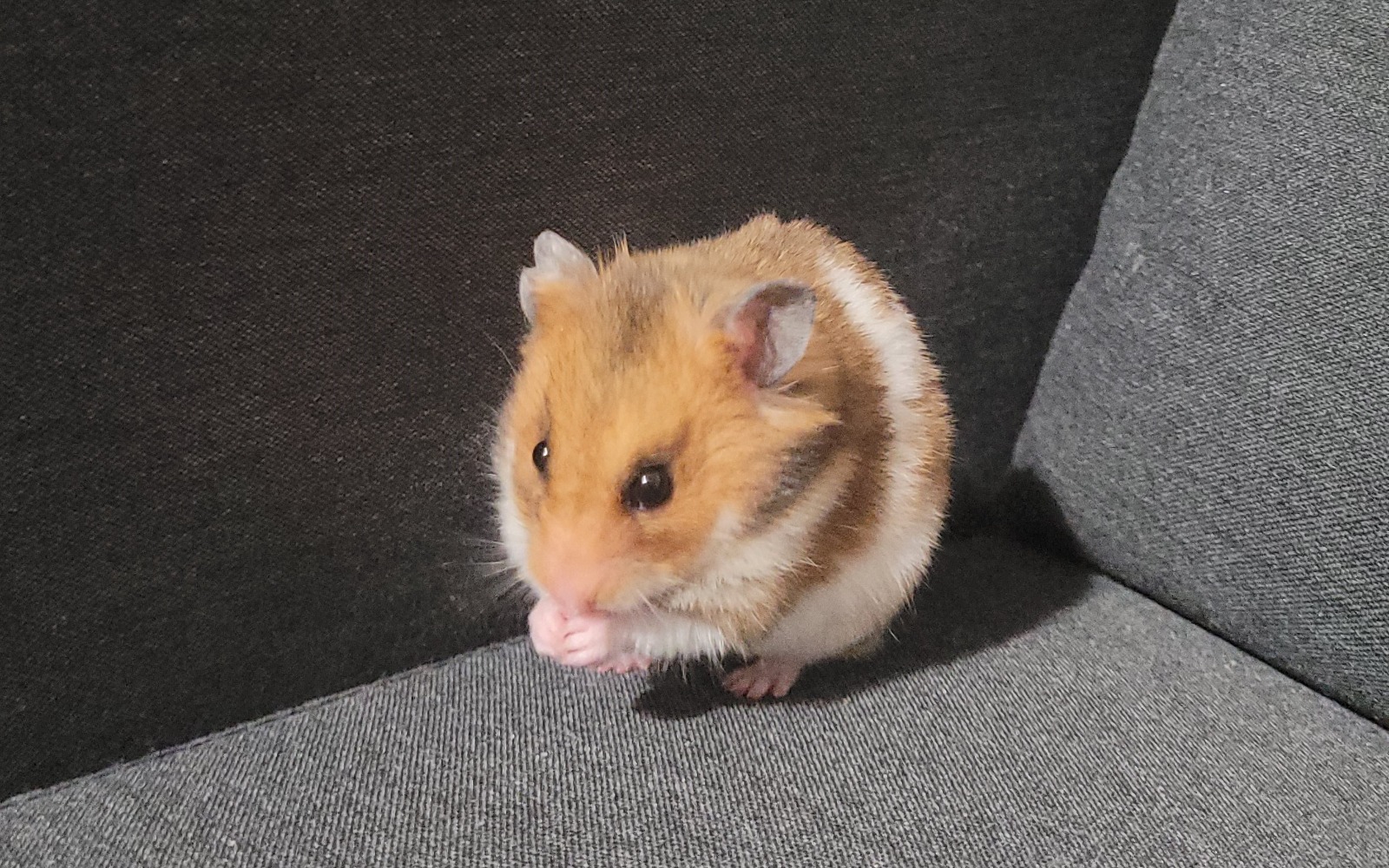
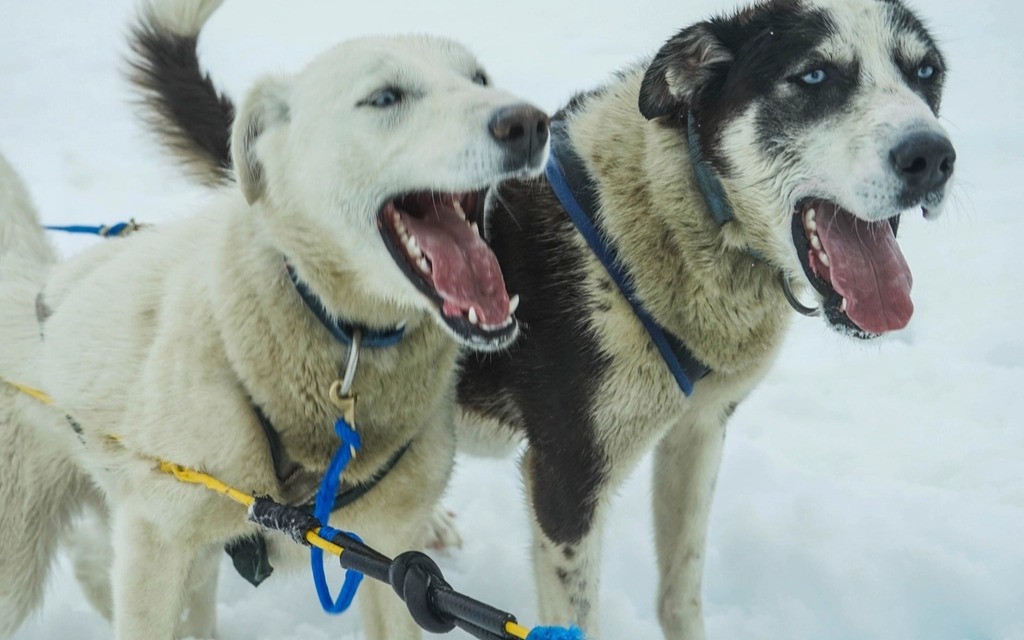
You have been practicing for weeks, but your dog still pulls on the leash, your cat still scratches the sofa, and your rabbit still bolts when you reach for it. It is easy to think your pet is stubborn. More often, a few small habits on our side are holding things back.
This guide covers the most common pet training mistakes that slow progress, and simple fixes for each one. The good news is that most of these are easy to correct once you know what to look for.
Why Small Training Mistakes Matter
Animals learn by linking actions with results. When the message we send is unclear, pets get confused. They may learn something different from what we intended, or simply stop trying. Fixing a few training mistakes can make a pet seem to "suddenly get it."
1. Poor Timing
Timing errors are among the most frequent training mistakes. Pets connect a reward with what they are doing at that exact moment. If your dog sits, stands up, and then gets the treat, you may be rewarding standing.
The Fix
- Reward within one or two seconds of the right behavior
- Use a marker word like "yes" or a clicker to mark the exact moment
- Keep treats ready in a pouch or pocket, not in a cupboard
2. Rewards That Are Not Rewarding
Low-value rewards cause many quiet training mistakes. A dry biscuit may work at home but mean nothing at a busy park. If a reward is not worth it to your pet, it will not work.
The Fix
Find out what your pet truly loves. Use higher-value rewards for hard tasks and distracting places. For some dogs, a quick game of tug beats any treat.
3. Sessions That Are Too Long
Long sessions tire pets out. Focus fades, mistakes increase, and training starts to feel like a chore. This is one of the most common training mistakes owners make.
The Fix
Keep sessions to three to five minutes for dogs, and shorter for cats and small pets. Train several times a day, and always end on a success.
4. Mixed Signals and Inconsistent Rules
One person says "down" to mean lie down, and another says "down" to mean get off the sofa. One family member lets the dog on the bed, another does not. Your pet cannot know which rule applies.
The Fix
- Agree on one word for each cue
- Write the house rules down and share them
- Make sure everyone rewards the same behaviors
[Internal Link Suggestion: setting house rules early → how to start training a new pet at home]
5. Repeating Cues Over and Over
This is one of those training mistakes almost everyone makes. "Sit. Sit. Sit! SIT!" Repeating a cue teaches your pet that the first three do not matter.
The Fix
Say the cue once. If your pet does not respond, help it succeed with a lure or an easier setting, then practice more before using the cue again.
6. Moving Too Fast
Rushing is a classic cause of training mistakes. A pet that sits perfectly in the kitchen may seem to "forget" in the park. Animals do not generalize skills easily. A new place is almost like a new lesson.
The Fix
Build skills in small steps. Practice in the kitchen, then the garden, then a quiet street, and finally busier places. Make one thing harder at a time: distance, duration, or distraction.
7. Using Punishment
Of all training mistakes, this one can do the most harm. Yelling, jerking the leash, spraying water, or hitting may stop a behavior in the moment, but they often create fear and damage trust. The American Veterinary Society of Animal Behavior (AVSAB) recommends that only reward-based methods be used in dog training, and warns that aversive methods can increase fear, stress, and aggression.
The Fix
Instead of punishing, prevent the unwanted behavior and teach a better choice. Reward a sit instead of jumping, or a scratching post instead of the sofa.
[Internal Link Suggestion: how reward-based training works → positive reinforcement training for pets explained simply]
8. Accidentally Rewarding Bad Behavior
Pets see attention as a reward, even negative attention. Pushing a jumping dog away, talking to a barking dog, or picking up a whining puppy can all reinforce the very habit you want to stop.
The Fix
Notice what your pet gets from the behavior. Remove that payoff, and give attention for calm, quiet behavior instead.
9. Expecting Too Much From Puppies and Seniors
Young animals have short attention spans, and older pets may tire quickly or have stiff joints. Asking them to perform like a fit adult sets everyone up to fail.
The Fix
Match the lesson to your pet's age and body. Use very short sessions for puppies and kittens, soft surfaces for seniors, and skills that do not strain sore hips or backs. Adjust your goals rather than pushing harder.
10. Only Training When There Is a Problem
Many owners only train when something goes wrong. Pets then associate training with stress.
The Fix
Make training part of daily life. Ask for a sit before meals, practice recall in the garden, and reward calm behavior throughout the day.
11. Ignoring Your Pet's Needs
A bored, under-exercised, or anxious pet will struggle to learn. Many "training problems" are really unmet needs.
The Fix
- Give daily physical exercise suited to your pet
- Offer mental enrichment like puzzle feeders and sniffing games
- Make sure your pet has enough rest
- Address fear with patience and, if needed, professional help
Training Mistakes With Cats and Small Pets
Cats, rabbits, and rodents have their own common training mistakes:
- Reaching from above: prey animals see this as a predator. Approach from the side and let them come to you.
- Training right after meals: a full cat or rabbit has little interest in food rewards.
- Sessions that are too long: one or two minutes is often plenty.
- Chasing to catch: this teaches pets to run. Use a treat trail or a carrier game instead.
How to Recover From Setbacks
Everyone makes training mistakes, and pets are forgiving. If progress slips, go back to an easier step your pet can do well, raise the value of your rewards, and rebuild from there. A few calm, successful sessions usually get things moving again.
Quick Checklist: Are You Making These Training Mistakes?
- Are rewards arriving within two seconds?
- Are your rewards exciting enough for the setting?
- Are sessions short and fun?
- Does everyone at home use the same cues and rules?
- Do you say each cue only once?
- Are you increasing difficulty slowly?
- Have you replaced punishment with teaching?
Fixing even one or two of these can speed up progress noticeably.
When to See a Vet
If training suddenly stops working, or your pet shows new fear, aggression, house-soiling, or irritability, see your vet. Pain, hearing or vision loss, and other medical problems can all affect behavior. For serious or long-standing issues, ask your vet to recommend a qualified reward-based trainer or veterinary behaviorist.
Final Thoughts
Most training mistakes are easy to fix: reward quickly, use rewards your pet loves, keep sessions short, stay consistent, say cues once, move step by step, and replace punishment with teaching. When you adjust your approach, your pet can finally understand what you are asking, and progress speeds up for both of you.
Find more tips in our pet training guides.
[Internal Link Suggestion: foundations for successful training → pet training basics every owner should know]