Almost every fishkeeper has lost a fish they did not need to lose. The good news is that most problems trace back to the same short list of beginner errors.
This guide walks through 11 common fish tank mistakes, explains why each one causes trouble, and gives you a clear fix. Spotting them early can save your fish, your money, and a lot of frustration.
Why Beginners Make These Errors
Most fish tank mistakes are not caused by carelessness. They happen because fish hide stress well, water problems are invisible, and store advice is sometimes rushed. By the time a fish looks sick, the real cause may have started days earlier.
That is why a test kit and a little patience are the most useful tools you can own.
Setup Fish Tank Mistakes
Many fish tank mistakes happen before a single fish goes in the water.
1. Skipping the Cycle
Adding fish to a brand-new tank is the classic error. The filter has not yet grown the bacteria that break down toxic ammonia, so waste builds up fast. The Merck Veterinary Manual calls this "new tank syndrome" and notes it typically appears within 1 to 3 weeks of stocking.
Signs of New Tank Syndrome
- Fish gasping at the surface or breathing fast
- Red or inflamed gills
- Lethargy and loss of appetite
Fix: cycle the tank without fish first, testing until ammonia and nitrite read zero. If fish are already in, test daily and do partial water changes to keep ammonia down.
2. Choosing a Tank or Bowl That Is Too Small
Small volumes of water get dirty, cold, and low on oxygen quickly. The RSPCA warns against bowls, jars, and novelty tanks for exactly these reasons.
Goldfish suffer most from this mistake. The RSPCA Knowledgebase recommends a tank of at least 50 liters (about 13 gallons) as a starting point, and larger fish need more.
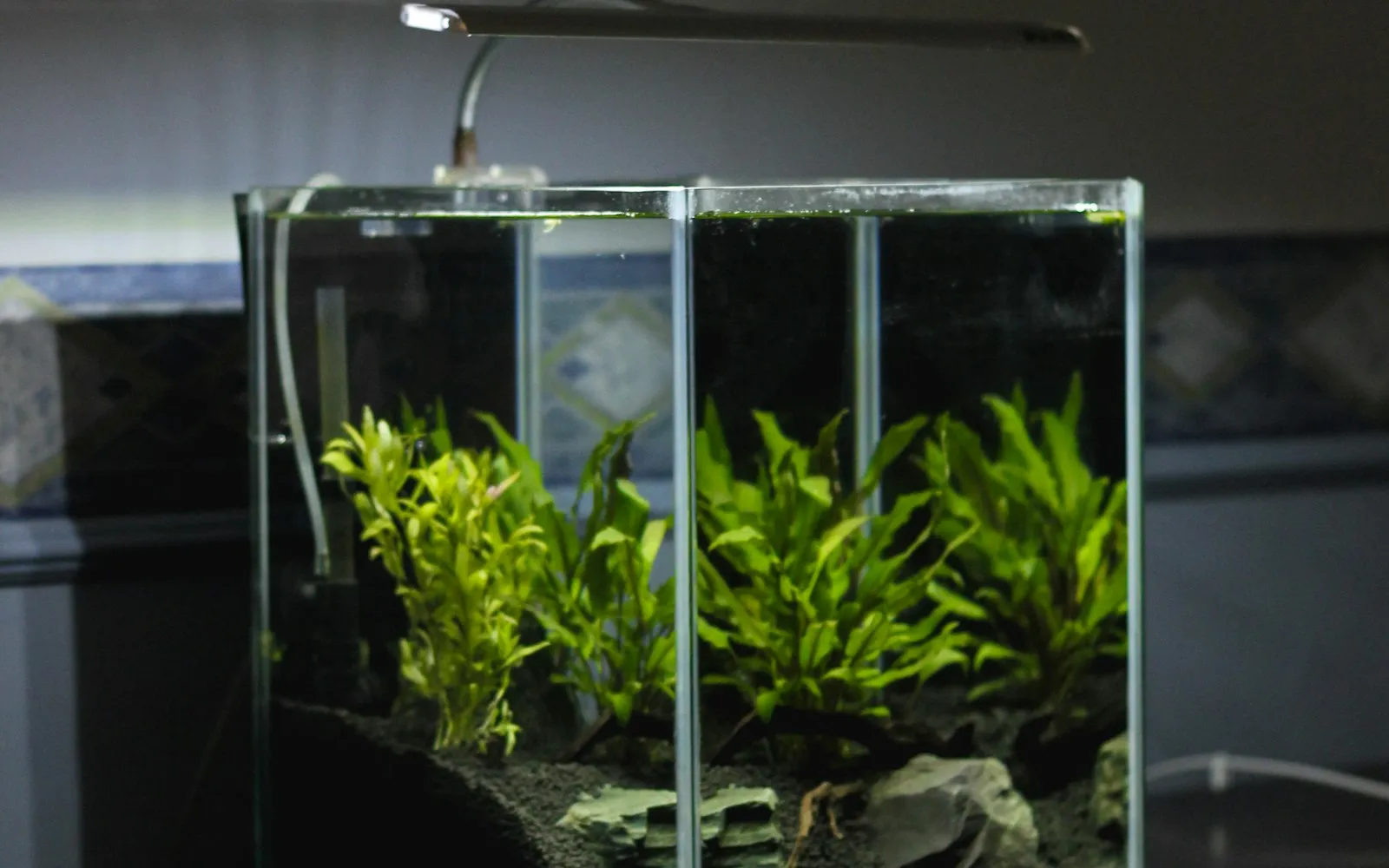
Fix: choose a filtered tank of at least 10 gallons (38 liters), and bigger for goldfish or active schooling fish.
3. Using Untreated Tap Water
Most tap water contains chlorine or chloramine to make it safe for people. Both can damage fish gills and kill filter bacteria.
Fix: add a water conditioner (dechlorinator) to every bucket of new water, every time. Check that the product treats chloramine as well as chlorine, since many water suppliers use it.
4. Placing the Tank in Direct Sunlight
A sunny window looks lovely, but sunlight overheats the water and fuels green water and algae.
Fix: move the tank away from windows and radiators, and run the aquarium light about 8 hours a day on a timer.
[Internal Link Suggestion: step-by-step setup done right → how to set up a fish tank for beginners]
Stocking Fish Tank Mistakes
Choosing and adding fish is where excitement often beats patience. These fish tank mistakes are easy to make in the store.
5. Overstocking
Too many fish means too much waste for the filter and too little space. Remember that many fish are sold as juveniles and grow much larger.
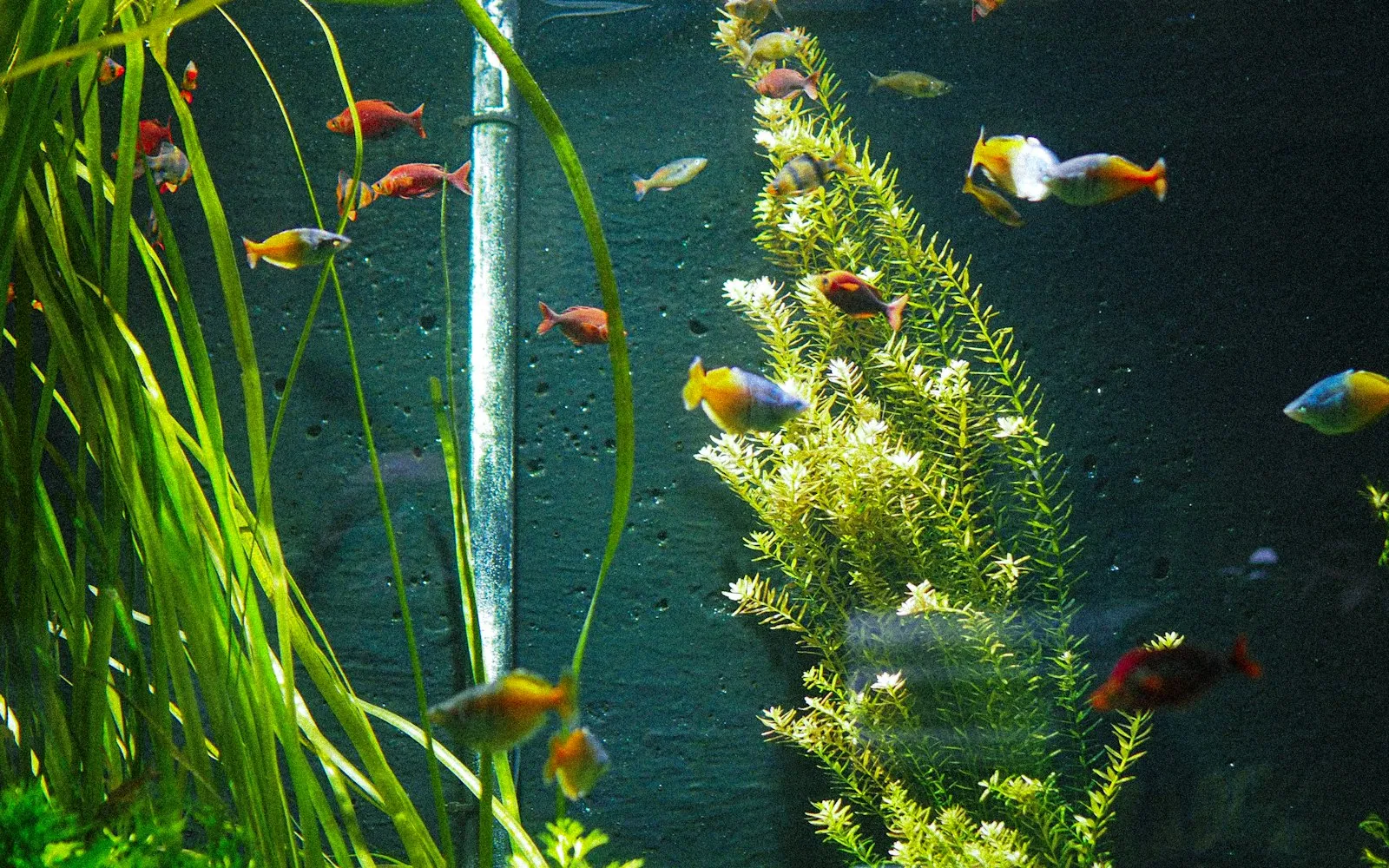
The opposite problem also happens. Schooling fish such as tetras and rasboras kept in twos or threes often hide and lose color, so plan space for a proper group.
Fix: research adult sizes, stock lightly, and add fish in small groups a few weeks apart.
6. Mixing Incompatible Tankmates
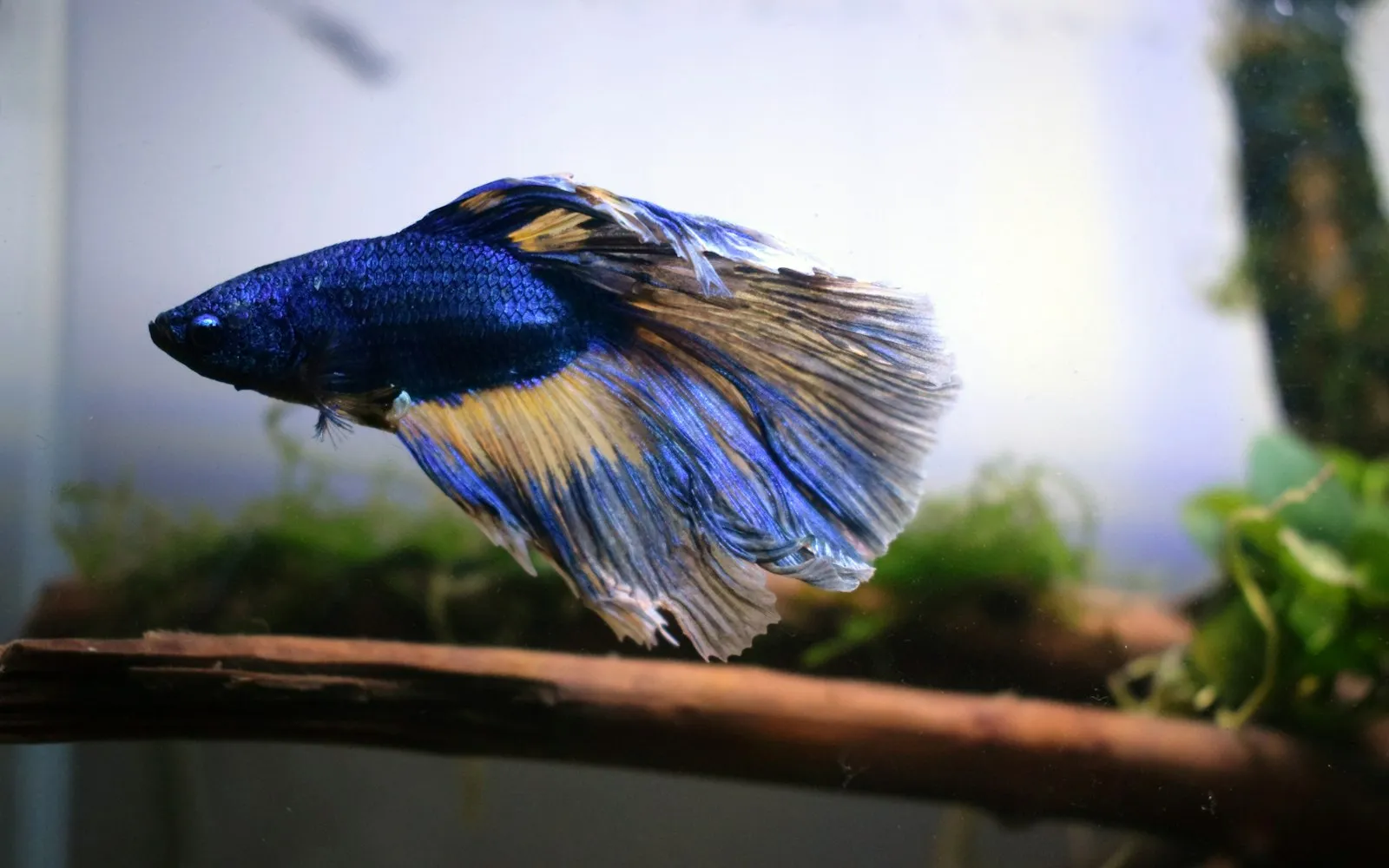
Fin-nippers with long-finned fish, big fish with small ones they can swallow, or coldwater with tropical species all lead to stress and injury. For example, tiger barbs often nip bettas and angelfish, and goldfish prefer cooler water than most tropical community fish.
Fix: check temperament, adult size, and temperature needs before buying. When unsure, ask the store to hold the fish while you research.
7. Skipping Quarantine
One new fish carrying parasites such as ich (white spot) can infect the whole tank. Merck highlights quarantine as a key step in preventing disease.
Fix: keep new fish in a separate quarantine tank and watch them for several weeks before they join your main aquarium.
A cheap quarantine tank costs far less than treating an entire aquarium.
[Internal Link Suggestion: hardy fish that forgive errors → best fish for beginners easy species to keep at home]
Maintenance Fish Tank Mistakes
Once the tank is running, day-to-day habits make the difference. These fish tank mistakes often creep in slowly.
8. Overfeeding
Fish always look hungry, so it is easy to give too much. The RSPCA names overfeeding the most common problem in goldfish care, and it affects every tank. Uneaten food rots and releases ammonia.
Watch for signs of overfeeding: food settling on the gravel, cloudy water, snail explosions, and fast-growing algae.
Fix: feed only what your fish eat in about two minutes, once or twice a day, and remove leftovers.
9. Washing Filter Media Under the Tap
Your filter sponge holds most of your beneficial bacteria. Chlorinated tap water can wipe them out, restarting the cycle.
Fix: rinse media gently in a bucket of old tank water, and never replace all the media at once.
10. Huge, Sudden Water Changes (or None at All)
Changing most of the water at once can shock fish with sudden shifts in temperature and water chemistry. Skipping water changes is just as risky. Merck describes "old tank syndrome," where waste acids build up until pH crashes.
Fix: change about 10–25% weekly with conditioned, temperature-matched water. Topping up evaporation does not count.
If you have fallen behind, catch up gradually with several smaller changes over a week or two rather than one huge one.
11. Chasing Water Numbers With Chemicals
Adding product after product to push pH or hardness to a "perfect" number often causes wild swings. Fish cope with a stable, suitable range far better than constant change.
Fix: choose fish that suit your tap water, test regularly, and fix the root cause instead of reaching for another bottle.
Rule of thumb: stability beats perfection in every aquarium.
A Quick Recovery Plan
If you recognize several fish tank mistakes in your own setup, do not panic. Work through these steps:
- Test ammonia, nitrite, nitrate, and pH.
- Do a partial water change with conditioned water if ammonia or nitrite is above zero.
- Cut feeding back until readings improve.
- Pause any new fish purchases.
- Keep a log so you can see what is working.
Never release unwanted fish into ponds, rivers, or drains. UF/IFAS Extension advises returning them to a store, trading with another hobbyist, or asking a local aquarium society for help.
When to See a Vet
Some problems need professional care. Contact an aquatic or exotic-animal veterinarian if you see:
- White spots, ulcers, cotton-like growths, or ragged fins
- Pale gills, weight loss, or fish that stop eating
- Several fish sick or dying despite good test results
Guessing with store medicines can make things worse, so ask for a diagnosis first.
Final Thoughts
Every experienced keeper has made a few fish tank mistakes. What matters is learning from them. Cycle first, stock slowly, feed lightly, and keep water stable. Find more practical help in our fish care guides.
[Internal Link Suggestion: a routine that prevents problems → freshwater fish care guide for first-time owners]