Pet lizards are colorful, curious, and full of character. A bearded dragon basking under its lamp or a gecko stalking a cricket can be a joy to watch. Many lizards also become calm and comfortable with gentle handling.
To thrive, though, lizards need a carefully built environment. This lizard care guide for new owners covers the habitat, heat, lighting, diet, shedding, handling, and health basics you need to know. Most of the advice applies to popular pets like leopard geckos, bearded dragons, and crested geckos.
Know Your Lizard's Species
Good lizard care always starts with the species. Lizards come from deserts, forests, and rainforests, and their needs reflect that. For example:
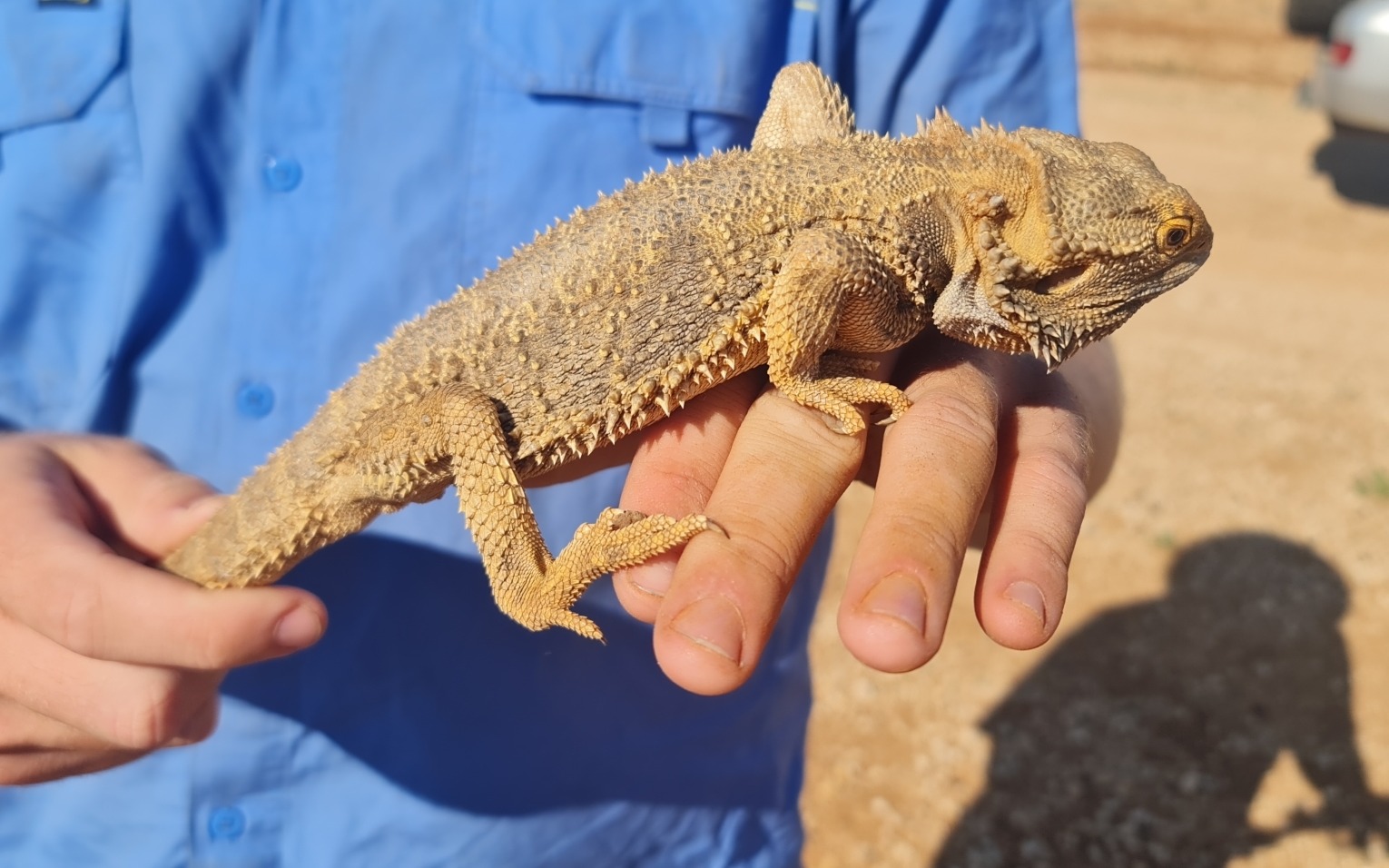
- Bearded dragons come from dry, hot areas and need a very warm basking spot and strong UVB.
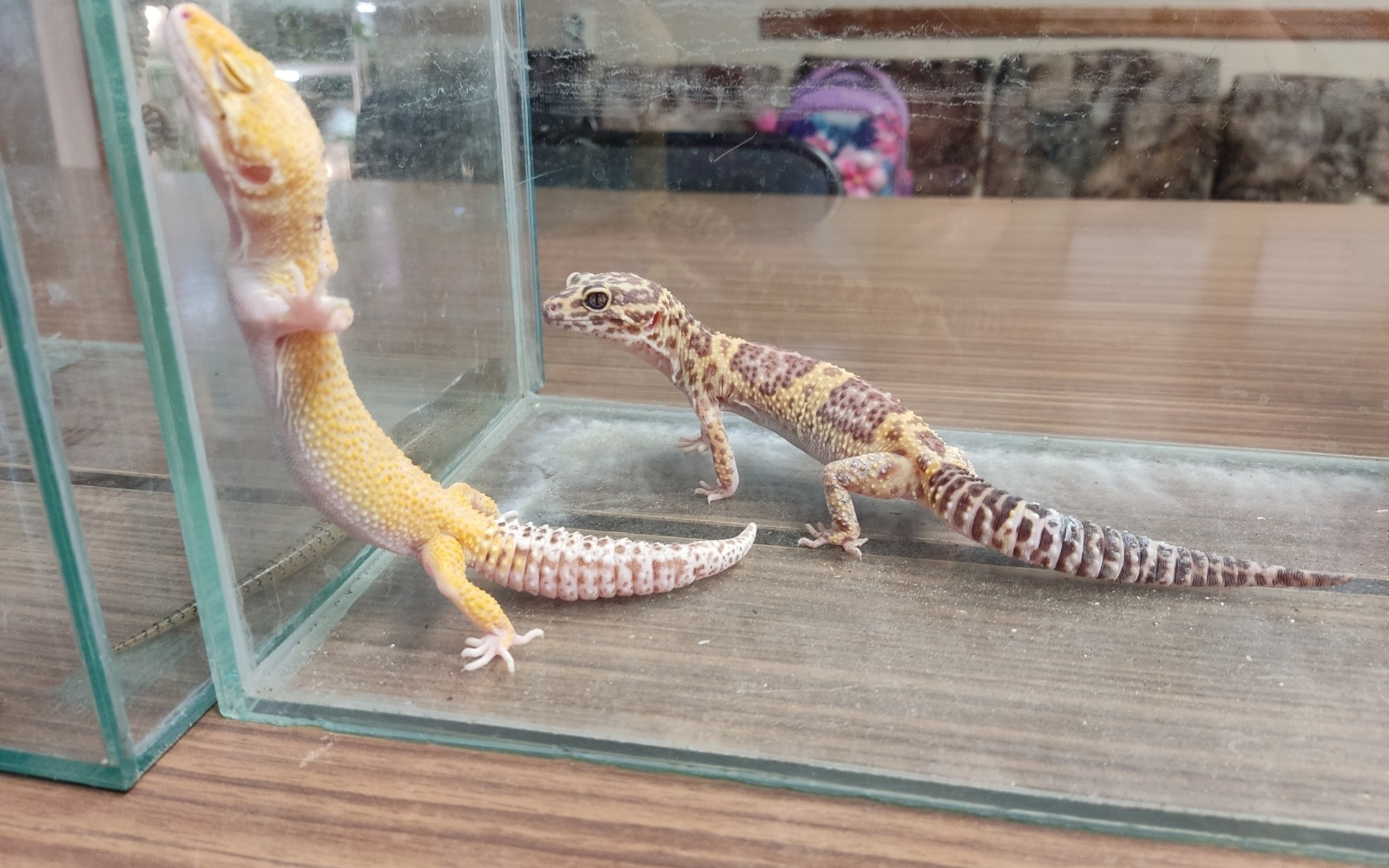
- Leopard geckos are ground dwellers, active in the evening, and need a warm floor area.
- Crested geckos live in trees in humid forests and prefer room temperatures and a tall enclosure.
Read a reliable care sheet for your exact species, and compare it with advice from a reptile vet.
[Internal Link Suggestion: picking an easy first lizard → best reptiles for beginners: easy pets to start with]
Setting Up the Enclosure
A proper enclosure is the foundation of lizard care. Build it, run it, and test it for a few days before your lizard comes home.
Size and Shape
Ground-dwelling lizards need a long enclosure with plenty of floor space. Tree-dwelling lizards need height for climbing. Always plan for the adult size, because many lizards grow fast in their first year.
Heat and Temperature Gradient
Lizards regulate their body temperature by moving between warm and cool areas. Set up a hot basking area on one side and a cooler zone on the other. Use a thermostat for every heat source, and measure temperatures with digital thermometers, not stick-on dials.
At night, most lizards are fine with a natural drop in temperature. Avoid bright lights at night, which disrupt their day-night rhythm.
UVB Lighting
UVB is essential for many lizards. VCA Animal Hospitals explains that reptiles use UVB to make vitamin D3, which they need to absorb calcium. Without enough UVB, lizards can develop metabolic bone disease. VCA advises replacing UVB bulbs every 9 to 12 months or as the manufacturer directs, and keeping glass or plastic from blocking the light.
Place the UVB lamp over the basking area so your lizard gets heat and UVB together, as it would in sunlight.
Humidity and Hides
Use a hygrometer to track humidity. Desert species need lower humidity, while tropical species need regular misting. Provide a hide on each side of the enclosure. A "humid hide" with damp moss helps many geckos shed cleanly.
Feeding Your Lizard
Diet is a core part of lizard care. Most pet lizards eat insects, plants, or both.
Insects
Crickets, dubia roaches, black soldier fly larvae, and silkworms are common staple insects. Waxworms and superworms are fatty, so offer them only as treats.
Two habits make insects more nutritious:
- Gut-loading: feed insects healthy greens and grains for a day before offering them
- Dusting: lightly coat insects with calcium powder, and with a multivitamin as directed
Offer insects no longer than your lizard's head is wide, to prevent choking or impaction.
Greens and Vegetables
Plant-eating and omnivorous lizards, such as adult bearded dragons, need fresh leafy greens every day. Good choices include collard greens, mustard greens, turnip greens, and squash. Avoid avocado, rhubarb, and spinach as a regular food.
Water
Provide a shallow, clean water dish. Some species, like crested geckos and chameleons, prefer to drink droplets, so misting is important for them.
Shedding
Shedding is a normal part of lizard care. Lizards shed their skin in pieces as they grow. A healthy shed comes off within a few days. Stuck shed around toes, tail tips, or eyes can cut off blood flow and cause damage.
- Keep humidity in the correct range for your species
- Provide a humid hide during shedding
- Offer a shallow, lukewarm soak if your vet recommends it
- Never pull skin that is not ready to come off
Handling Your Lizard
Gentle handling builds trust, but it is not the most important part of lizard care. Let a new lizard settle for one to two weeks before handling. Then start slowly.
- Approach from the side, not from above
- Scoop from underneath and support the body and legs
- Never grab or hold a lizard by the tail
- Keep early sessions short and calm
- Wash your hands before and after handling
Many geckos can drop their tails when frightened. A lost tail may regrow, but it never looks the same.
Cleaning and Hygiene
Good hygiene keeps lizard care safe for the whole family. Spot-clean droppings and uneaten food daily. Replace water daily. Deep-clean the enclosure regularly with a reptile-safe disinfectant. Wash your hands after touching your lizard or anything in its home, and keep supplies away from kitchen areas.
Daily and Weekly Lizard Care Routine
A simple routine makes lizard care easy to keep up and helps you catch problems early.
Every Day
- Check basking and cool-side temperatures
- Refresh water and mist if your species needs it
- Offer food based on age and species
- Remove droppings and leftover insects
Every Week
- Weigh your lizard and write down the result
- Offer fresh gut-load food to your feeder insects
- Clean the glass, dishes, and décor
- Check your UVB bulb's start date
Keeping a small log of weights, sheds, and feeding days makes it easier to share useful details with your vet.
Signs of a Healthy Lizard
Knowing what healthy looks like is a key lizard care skill. A healthy lizard usually has:
- Clear, bright eyes
- A rounded body and, in geckos, a plump tail base
- Alert behavior and a good appetite
- Clean shedding and normal droppings
Common Lizard Care Mistakes
- Not using UVB for species that need it
- Skipping calcium dusting, which can lead to weak bones
- Using heat rocks, which can cause burns
- Feeding insects that are too large
- Loose sand for young lizards, which some may swallow while hunting
- Housing lizards together when the species prefers to live alone
When to See a Vet
Book a check-up with a reptile vet after bringing your lizard home. Afterward, call your vet if you see:
- Soft or swollen jaw, bowed legs, twitching, or trouble walking, possible signs of metabolic bone disease
- Refusing food, weight loss, or a thin tail base in geckos
- Sunken eyes or wrinkled skin, which may mean dehydration
- Stuck shed on toes, tail, or eyes that does not come off
- Mouth breathing, mucus, or swelling around the mouth
- Diarrhea, blood in droppings, or no droppings for a long time
Most illnesses link back to lizard care at home, so take photos of the enclosure and note your temperature and humidity readings to share with your vet.
[Internal Link Suggestion: setting up heat and UVB for any reptile → reptile care basics for first-time owners]
Final Thoughts
Lizard care is all about recreating a slice of your pet's natural world: the right heat, strong UVB, proper humidity, a varied and supplemented diet, and gentle handling. Measure your setup, stick to a routine, and watch for small changes. With good lizard care, your pet can live a long, active life.
Find more tips in our reptile care guides.
[Internal Link Suggestion: care for a long-lived reptile → tortoise care guide: food, habitat, and daily needs]