Gabapentin is one of the most frequently prescribed medicines in dog care today. Many owners first hear about it after a diagnosis of arthritis, a back injury, or surgery. Others hear about it when their dog is very anxious at the clinic.
This article explains when vets prescribe gabapentin for dogs, why they choose it, and what they consider before starting treatment. Understanding the reasoning can help you ask better questions and feel more confident about your dog's care plan. As always, your vet's advice for your own dog comes first.
A Quick Overview of Gabapentin
Gabapentin was first made for people to treat seizures and nerve pain. In dogs, vets use it "off-label," meaning they prescribe it based on veterinary experience and research rather than an animal-specific label. It works by calming overactive nerve signals.
Vets like gabapentin because it is generally well tolerated, can be combined with many other medicines, and comes in several strengths that make dosing flexible for dogs of different sizes.
Situations Where Vets Prescribe Gabapentin for Dogs
1. Arthritis and Chronic Joint Pain
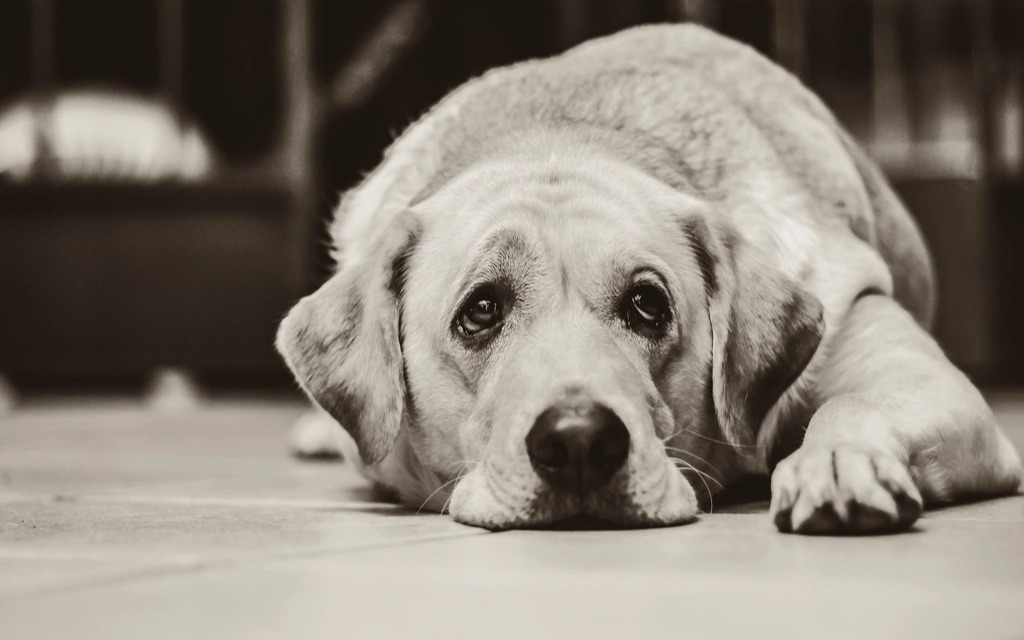
Older dogs often develop osteoarthritis. Over time, long-term joint pain can change how nerves process pain signals, making pain feel worse than the joint damage alone would suggest. Vets often add gabapentin to an arthritis plan that may also include anti-inflammatory medicine, weight control, joint supplements, and physical therapy.
Gabapentin can be especially helpful for dogs that cannot take anti-inflammatory drugs because of kidney, liver, or stomach problems.
2. Back and Neck Problems
Conditions such as intervertebral disc disease (IVDD) can squeeze the spinal cord or nerves. The resulting pain is often sharp and nerve-related. Dachshunds, French bulldogs, and other short-legged breeds are commonly affected. Vets prescribe gabapentin for dogs with these problems to ease nerve pain during rest and recovery.
[Internal Link Suggestion: side effects to watch during recovery → side effects of gabapentin in dogs and when to call the vet]
3. After Surgery or Injury
Some surgeries, such as amputations, spinal surgery, or major orthopedic procedures, can cause nerve pain during healing. Gabapentin may be included in a "multimodal" pain plan, which uses several medicines that work in different ways. This approach often controls pain better while keeping each drug's dose lower.
4. Seizures
According to VCA Animal Hospitals, gabapentin can be used as an add-on therapy for dogs with seizures. It is not usually the first choice for epilepsy. Instead, vets may add it when a main anti-seizure drug does not fully control the seizures.
5. Stressful Vet Visits, Grooming, or Travel
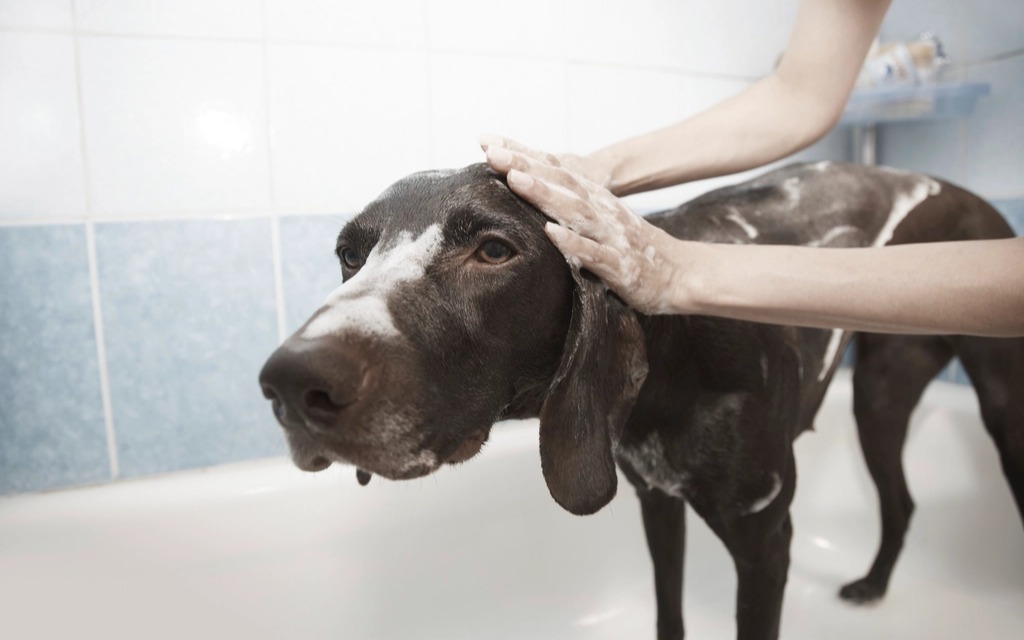
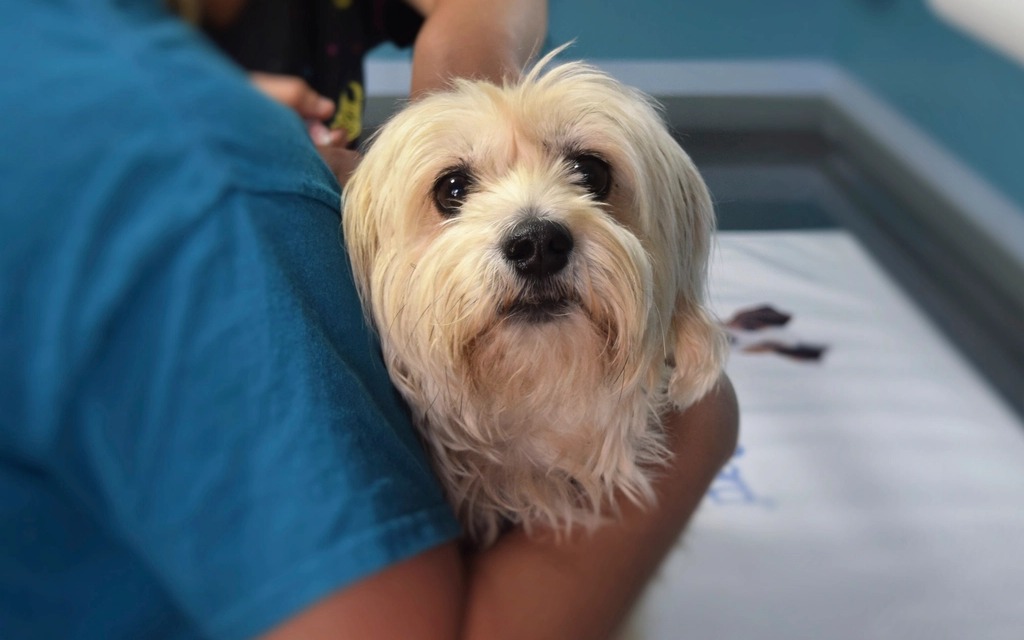
For fearful dogs, a vet may prescribe a dose to give at home before a stressful event. This can make exams safer for the dog and the staff, and help prevent a frightening experience from making future visits even harder.
[Internal Link Suggestion: how pre-visit doses work → why vets use gabapentin for dogs before travel or exams]
6. Some Cancer and Long-Term Pain
Dogs with certain cancers or other painful long-term conditions may benefit from gabapentin as part of comfort care. It can help keep a dog comfortable while other treatments continue.
What Your Vet Considers Before Prescribing
Before prescribing gabapentin for dogs, a careful vet looks at the whole picture:
- The type of pain: gabapentin works best for nerve-related and long-term pain
- Kidney health: the kidneys clear gabapentin, so poor kidney function may require lower doses
- Liver health: VCA notes that effects can last longer in pets with liver or kidney disease
- Other medicines: sedatives and some pain relievers can add to sleepiness
- Age and size: small and senior dogs may be more sensitive
- Pregnancy: gabapentin is generally avoided in pregnant dogs unless the benefits clearly outweigh the risks
Your vet may recommend blood work before or during long-term treatment, especially for older dogs. This baseline makes it easier to spot changes later and adjust the dose safely if your dog's kidney or liver function shifts over time.
How Treatment Is Usually Started
Every plan is different, but many vets follow a similar pattern:
- Start low: a lower dose helps reduce sleepiness and wobbliness.
- Adjust slowly: the dose may be increased over days or weeks based on your dog's response.
- Check in: your vet asks how your dog is moving, sleeping, and behaving.
- Review regularly: long-term plans are reassessed, especially as dogs age.
Never change your dog's dose on your own. Always discuss changes with your vet first.
Signs Gabapentin May Be Helping
Owners often notice small but meaningful changes, such as:
- Getting up more easily after rest
- Walking further or more willingly
- Less panting, pacing, or restlessness at night
- Less licking or chewing at a sore area
- A calmer attitude at the vet or groomer
Keep notes or short videos to share at check-ups. They help your vet judge whether the plan is working.
How Gabapentin Fits Into a Bigger Care Plan
Vets rarely rely on one medicine alone. When they prescribe gabapentin for dogs with long-term pain, it is usually one part of a plan that may also include:
- Weight management, which reduces strain on sore joints
- Controlled exercise, such as short, regular leash walks
- Physical therapy or hydrotherapy
- Home changes, like rugs, ramps, and orthopedic beds
- Other medicines chosen for your dog's condition
This combined approach often lets a dog stay active and comfortable with lower doses of each medicine. It also means that when you use gabapentin for dogs with arthritis, small lifestyle changes can make it work even better.
Questions to Ask Your Vet
When your vet recommends gabapentin, it is helpful to ask:
- What exactly is it treating in my dog?
- How soon should I expect to see a change?
- Which side effects are normal, and which are concerning?
- Can it be given with my dog's other medicines and supplements?
- Is there anything in the formulation I need to know about?
- How and when should we reduce or stop it?
Common Misunderstandings
- "It is just a sedative." Sleepiness can happen, but gabapentin is prescribed to change how nerves send pain and stress signals.
- "If it works, my dog is cured." Gabapentin eases symptoms; it does not fix arthritis or a disc problem.
- "Human pills are the same." Some human liquid gabapentin contains xylitol, which is toxic to dogs. Use only what your vet prescribes.
- "I can stop when my dog seems fine." Daily doses, especially for seizures, should be reduced gradually under vet guidance.
When to See a Vet
Call your vet if your dog on gabapentin becomes very sleepy, cannot walk normally, vomits repeatedly, shows signs of an allergic reaction, or has more seizures than usual. Also contact your vet if your dog's pain seems worse, or if you think your dog ate extra tablets or a product with xylitol.
[Internal Link Suggestion: a full overview of uses and safety → gabapentin for dogs: uses, side effects, and safety tips]
Final Thoughts
Vets prescribe gabapentin for dogs most often for arthritis, back and neck pain, post-surgery nerve pain, seizures, and stressful events. It is valued because it is flexible, generally well tolerated, and works well alongside other treatments. The best results come when you and your vet work as a team: giving doses as directed, watching for changes, and reviewing the plan over time.
Learn more in our pet health guides.