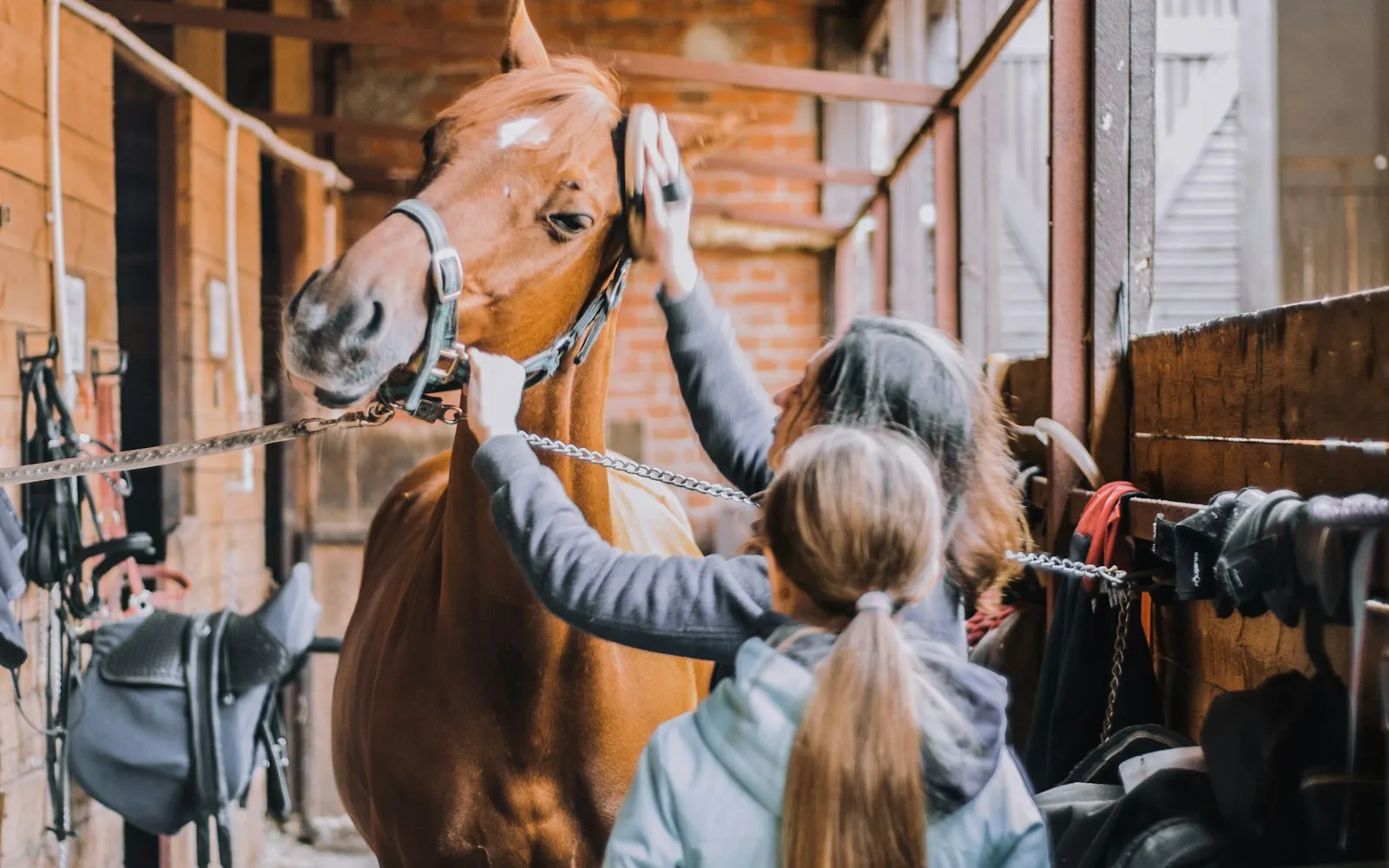
Dreaming of a horse of your own? That dream can come true, but it works best with a plan. A horse can live well into its twenties or longer, so this is a long-term relationship, not a quick purchase.
This beginner's guide to horse ownership covers what to think about before and after you buy. You will learn about leasing, boarding options, choosing a suitable first horse, the purchase exam, real costs, and the team that keeps everything running.
Are You Ready for Horse Ownership?
Start with an honest look at your skills, schedule, and savings. Horse ownership asks for all three, every week of the year.
- Can you ride and handle a horse safely without help?
- Do you have time for daily care, or money to pay someone else?
- Could you cover a large, unexpected vet bill?
- Will your plans stay stable for the next several years?
If you answered "not yet" to any of these, that is fine. It simply means a lease or more lessons may be the smarter first step.
Lease or Buy?
Rutgers Cooperative Extension suggests that riders with limited experience consider leasing a horse, part-time or full-time, before buying one. It is a low-risk way to test what horse ownership feels like.
Leasing
With a lease, you pay a fee and share or take over the horse's care and costs for a set period. A half lease usually means you ride a few days a week and split some expenses. A full lease gives you most of the riding and most of the bills.
Buying
Buying gives you full control, and full responsibility. You decide on training, boarding, and care, but you also carry every cost and the job of finding the horse a good home if things change.
A lease lets you learn the daily reality of horse ownership before you commit for the long haul.
Choosing Where Your Horse Will Live
Where your horse lives shapes your costs and your daily schedule more than any other horse ownership decision.
Boarding Options
- Full board: The barn handles feeding, stall cleaning, and turnout. It costs the most but saves the most time.
- Partial board: You share chores with the barn, such as cleaning the stall yourself.
- Self-care board: You rent space and do nearly all the work, including buying feed and bedding.
Keeping a Horse at Home
Home keeping needs safe fencing, dry shelter (even a sturdy three-sided shed), clean water, manure management, and room to move. You will also need a companion, because horses are herd animals and should not live alone.
Questions to Ask a Boarding Barn
- How much hay do horses get, and how often?
- How many hours of turnout, and in groups or alone?
- Who checks the horses at night?
- What happens in an emergency if I cannot be reached?
[Internal Link Suggestion: what daily chores involve → how to care for a horse daily]
Choosing a Suitable First Horse
The right first horse makes horse ownership safer and far more fun. Look past color and breed, and focus on these points.
Temperament Comes First
Rutgers puts it plainly: training can improve a horse, but it cannot change a naturally bad disposition. Look for a calm, patient horse that stands quietly, leads well, and accepts handling of its feet.
Age and Training
Many good first horses are older, experienced, and well trained. Rutgers notes that horses in their late teens and even twenties can stay serviceable, and older horses often cost less to buy. Avoid young or "green" horses. An inexperienced rider paired with an untrained horse is a common recipe for injury.
Test Rides and Trial Periods
Ride the horse more than once, at different times of day, ideally with your instructor. Watch how it behaves with other horses and with the farrier. If possible, agree on a trial period in writing.
The Pre-Purchase Exam
The AAEP strongly encourages buyers to invest in a purchase exam by a veterinarian the buyer chooses and pays for. The vet does not "pass" or "fail" the horse. Instead, they report findings so you can decide whether the horse suits your plans.
Tell the vet how you plan to use the horse, whether trail riding or showing. That helps them tailor the exam, which may include a lameness check, flexion tests, and sometimes X-rays.
Some states also require paperwork, such as a negative Coggins test, for sale or transport. Ask your vet what applies where you live.
Real Costs and Budgeting
The purchase price is only the entry fee. The ongoing costs of horse ownership are what really matter.
A cost feature in The Horse estimated basic yearly expenses at about $8,600 for a backyard horse and about $11,800 for a recreational horse. Boarding alone varies widely by region and type of board.
Monthly and Yearly Budget Items
- Board or hay, feed, and bedding
- Farrier visits about every 6–8 weeks
- Vaccines, dental care, and fecal egg counts
- Tack, blankets, and replacement gear
- Lessons or training
- Insurance and an emergency fund
Rule of thumb: keep an emergency fund separate from your monthly budget. Colic surgery or a serious injury can quickly cost thousands.
[Internal Link Suggestion: hay and feed costs → horse feeding guide for beginners]
Time Commitment
Even with full board, horse ownership takes regular time. You will want to visit several times a week to ride, groom, and check on your horse. With self-care or home keeping, expect chores at least twice a day, every day, in all weather.
Plan for backup, too. Who will feed your horse if you are sick or away? A trusted barn friend or paid pet sitter who knows horses is part of responsible horse ownership.
Seasons change the workload as well. Winter brings frozen water and muddy paddocks, while summer brings flies, heat, and extra water checks.
Insurance, Contracts, and Paperwork
Paperwork protects you and your horse. Get a dated bill of sale, and check that any registration papers match the horse.
- Boarding contract: lists services, fees, and emergency rules
- Lease agreement: covers riding days, costs, and who pays vet bills
- Insurance: options include mortality, major medical, and liability cover
Read everything before you sign, and ask questions if something is unclear. Clear contracts prevent many of the disagreements that sour horse ownership for new riders.
Building Your Horse Care Team
Successful horse ownership is a team effort. Before your horse arrives, find an equine veterinarian, a farrier, a trainer or instructor, and a reliable hay source. Many owners also connect with an equine dentist and an experienced friend at the barn. A good team turns horse ownership from stressful guesswork into a steady routine.
When to See a Vet
Set up a relationship with an equine vet before you need one. Schedule a new-horse wellness visit soon after arrival to review vaccines, teeth, and parasite control.
Call your vet promptly if your new horse stops eating, paws or rolls, becomes suddenly lame, has a fever, cough, or nasal discharge, or has a wound or eye problem.
[Internal Link Suggestion: warning signs to watch → common horse health problems and warning signs]
Final Thoughts
Horse ownership is a big step, but careful planning makes it a joyful one. Start with lessons or a lease, choose a calm and experienced horse, budget honestly, and build your team early. For more help, browse our horse care guides.