Reptiles can be wonderful first exotic pets. They are quiet, do not need walks, and are fascinating to watch. But some species are much easier to keep than others. Choosing the right animal is the most important decision you will make.
This guide covers the best reptiles for beginners. You will learn why each species is a good starter pet, what it needs, and which one might suit your home. The goal is a healthy animal and a confident owner, not a stressful experiment.
What Makes a Good Beginner Reptile?
The best reptiles for beginners usually share a few qualities:
- Hardy health: they forgive small mistakes while you learn
- Calm temperament: they tolerate gentle handling
- Manageable size: their adult enclosure fits in a normal home
- Simple diet: food is easy to find and store
- Captive-bred availability: healthy, well-started animals are easy to buy
Always choose captive-bred animals. They are usually healthier, calmer, and better adapted to life with people than wild-caught reptiles.
Top Reptiles for Beginners
1. Leopard Gecko
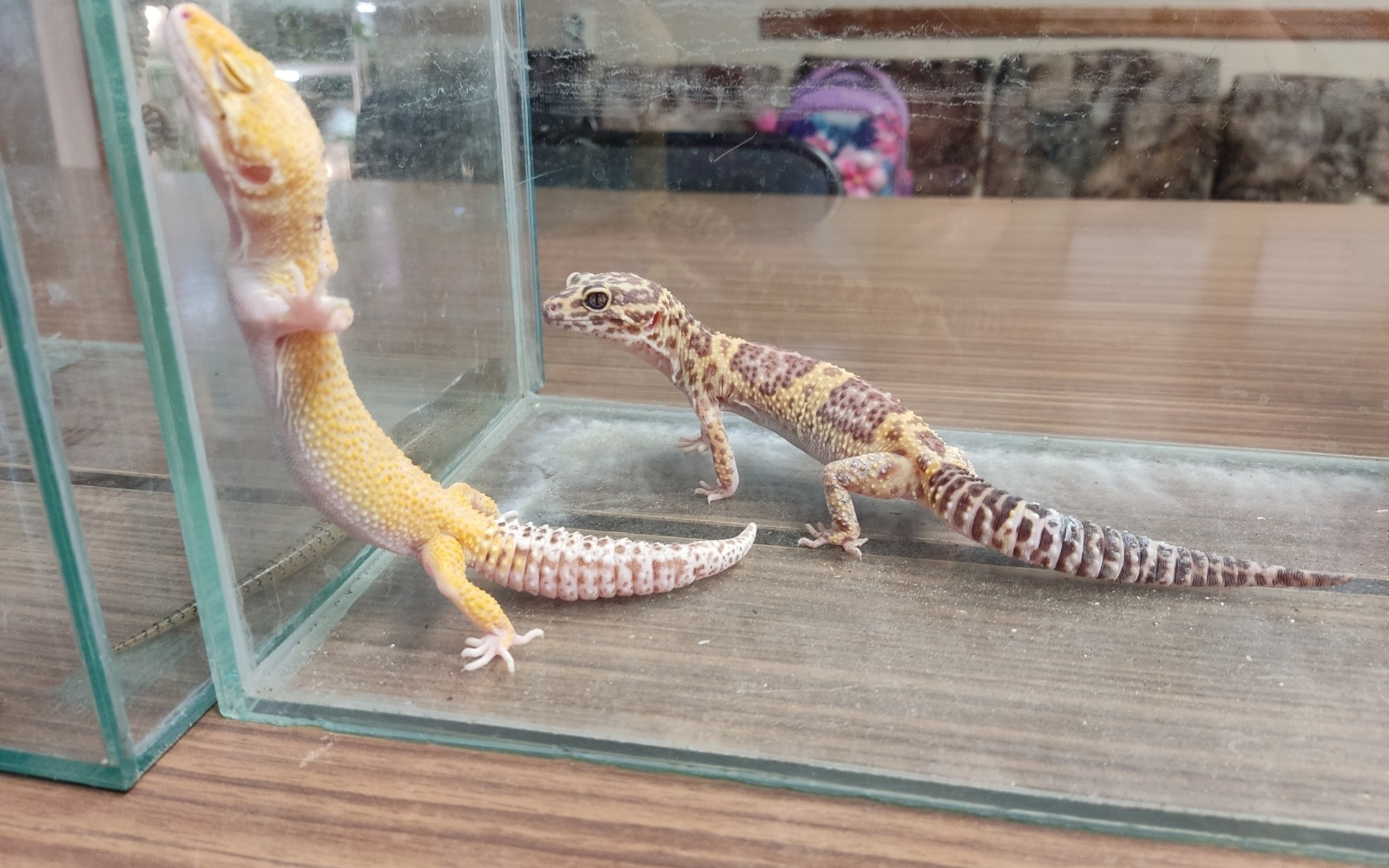
The leopard gecko is often called the perfect starter reptile. It is small, gentle, and comes in many colors and patterns.
- Adult size: about 7 to 10 inches
- Diet: live insects dusted with supplements
- Activity: mostly active at dusk and night
- Lifespan: often 15 years or more
Leopard geckos need a warm side, a cool side, and several hides, including a humid hide to help with shedding. Low-level UVB is increasingly recommended as well. They rarely bite and usually settle well with regular, gentle handling.
2. Corn Snake
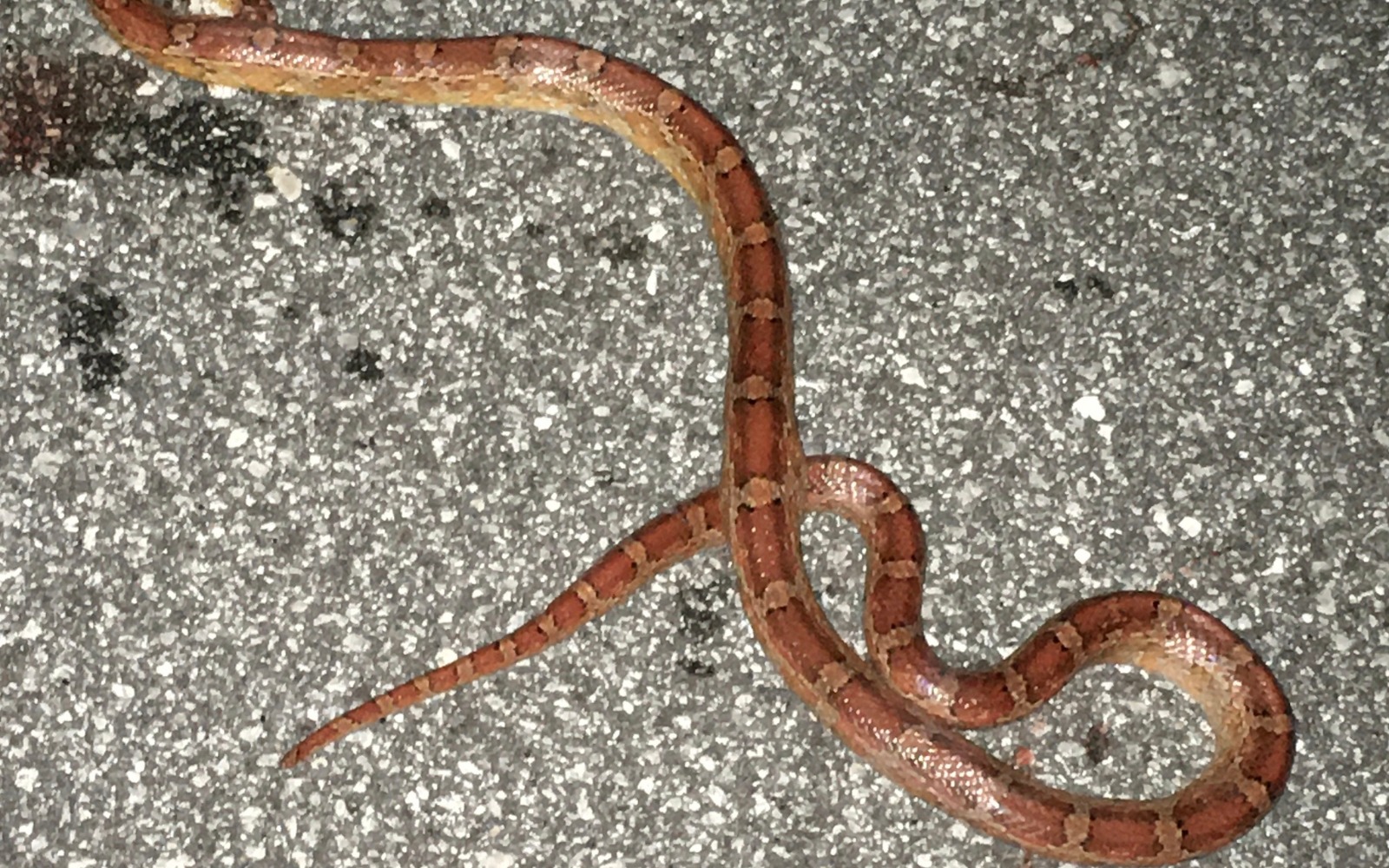
Corn snakes are one of the most popular beginner snakes, and for good reason. They are calm, hardy, and easy to feed.
- Adult size: about 3 to 5 feet
- Diet: frozen-thawed mice
- Temperament: gentle, curious, and easy to handle
- Lifespan: often 15 to 20 years
Corn snakes are active and good at escaping, so a secure, locking enclosure is essential. Most accept frozen-thawed food readily, which makes feeding simple.
[Internal Link Suggestion: feeding and housing a first snake → snake care basics every beginner should know]
3. Bearded Dragon
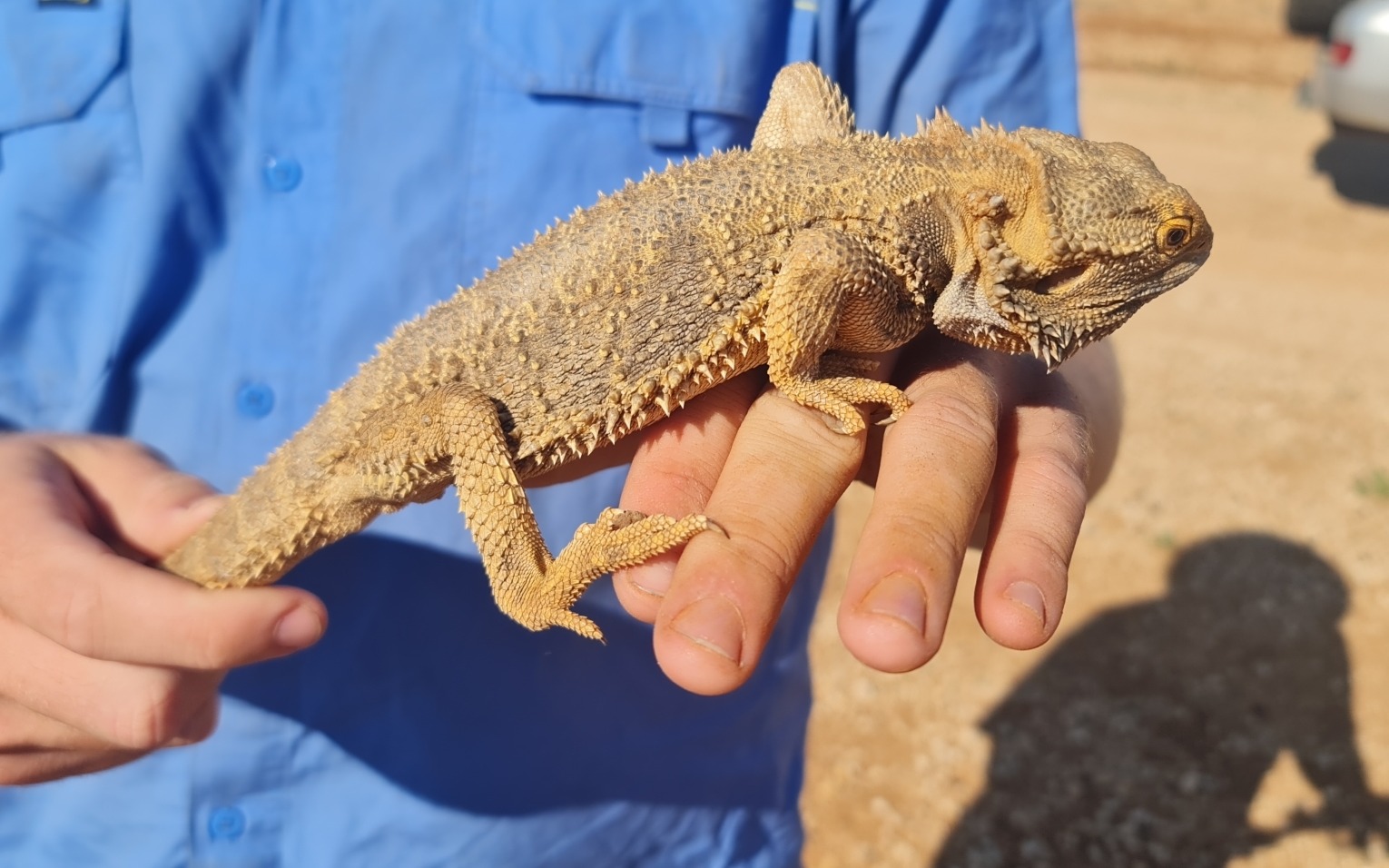
Bearded dragons are social, expressive lizards that often enjoy time with their owners. Many people love watching them bask, wave, and bob their heads.
- Adult size: about 16 to 24 inches
- Diet: insects plus a large share of leafy greens as adults
- Needs: strong UVB lighting and a hot basking spot
- Lifespan: often 10 to 15 years
Beardies are friendly, but they need a large enclosure and a bigger budget for lighting and food. They are a great choice for beginners who have space and want an interactive pet.
4. Ball Python
Ball pythons are known for their calm, shy nature. When nervous, they curl into a ball rather than strike, which gives them their name.
- Adult size: about 3 to 5 feet
- Diet: frozen-thawed rodents
- Needs: steady heat and moderate to high humidity
- Lifespan: often 20 to 30 years
Ball pythons can be picky eaters and may refuse food for weeks, especially in cooler months. This is often normal, but it can worry new owners. Their long lifespan is a serious commitment.
5. Crested Gecko
Crested geckos are easygoing lizards with eyelash-like crests. They are a good fit for people who do not want to feed live insects every day.
- Adult size: about 7 to 9 inches
- Diet: complete powdered gecko diet mixed with water, plus occasional insects
- Needs: a tall enclosure, room temperatures, and regular misting
- Lifespan: often 15 years or more
Crested geckos can jump suddenly, so handle them low and over a soft surface. They are also one of the few popular lizards that can drop their tail and never regrow it, so never hold them by the tail. Many adults become calm and happy to sit on a hand for short periods once they are used to you.
Quick Comparison
| Species | Adult Size | Main Diet | Handling |
|---|---|---|---|
| Leopard gecko | 7–10 in | Insects | Gentle, easy |
| Corn snake | 3–5 ft | Frozen-thawed mice | Calm, curious |
| Bearded dragon | 16–24 in | Insects and greens | Social, relaxed |
| Ball python | 3–5 ft | Frozen-thawed rodents | Shy, docile |
| Crested gecko | 7–9 in | Powdered diet | Jumpy but gentle |
Budgeting for Your First Reptile
Many new owners focus on the price of the animal, but the setup usually costs much more. Plan for these items before choosing among reptiles for beginners:
- A correctly sized enclosure with a secure lid or doors
- Heat sources and a thermostat for each one
- A UVB fixture and replacement bulbs
- Digital thermometers and a hygrometer
- Hides, climbing branches, substrate, and water bowls
- Food, supplements, and a reptile vet fund
Ongoing costs include food, bulbs, substrate, and check-ups. Knowing this in advance helps you pick a species you can care for without cutting corners.
Reptiles Beginners Should Avoid
Some species are popular in stores but are not good reptiles for beginners:
- Green iguanas: they grow very large and have complex diet and lighting needs
- Chameleons: they are sensitive to stress, humidity, and hydration
- Water dragons and monitors: they need very large enclosures and experience
- Large constrictors: they can outgrow a home and be dangerous
- Aquatic turtles: they need large tanks and heavy filtration, and live for decades
How to Choose Among Reptiles for Beginners
Choosing among the many reptiles for beginners is easier when you are honest about your lifestyle. Ask yourself these questions before deciding:
- Are you comfortable feeding insects or rodents? If not, a crested gecko may suit you.
- How much space do you have? Bearded dragons need much more room than geckos.
- Do you want to handle your pet often? Bearded dragons and corn snakes usually tolerate it best.
- Can you commit for 15 years or more? Many reptiles live a very long time.
- Is there a reptile vet near you? Check before you buy.
The best choice is the reptile whose needs you can meet every day for its whole life.
Common Mistakes When Choosing a First Reptile
- Buying on impulse at a pet expo or store
- Choosing a tiny baby without planning for adult size
- Buying a "starter kit" that is too small or missing a thermostat or UVB
- Skipping research on lifespan and long-term costs
- Choosing a species because it looks exotic rather than because it suits you
Health and Safety Tips
Even the easiest reptiles for beginners need good hygiene. The CDC notes that reptiles can carry Salmonella germs even when they appear healthy, so wash your hands after handling your pet or cleaning its enclosure. Keep reptiles and their supplies out of the kitchen.
When to See a Vet
Book a check-up with a reptile vet soon after bringing your pet home. Contact the vet if your reptile stops eating for longer than normal for its species, loses weight, has trouble shedding, breathes with its mouth open, or has swelling, soft bones, or tremors.
[Internal Link Suggestion: setting up heat, UVB, and humidity → reptile care basics for first-time owners]
Final Thoughts
The best reptiles for beginners are hardy, calm, and suited to a normal home. Leopard geckos, corn snakes, bearded dragons, ball pythons, and crested geckos are all excellent starting points. Choose the one that fits your space, budget, and comfort with feeding, set up the habitat first, and you will enjoy a rewarding hobby for many years.
Explore our reptile guides for species-specific care tips.
[Internal Link Suggestion: caring for geckos and dragons → lizard care guide for new owners]