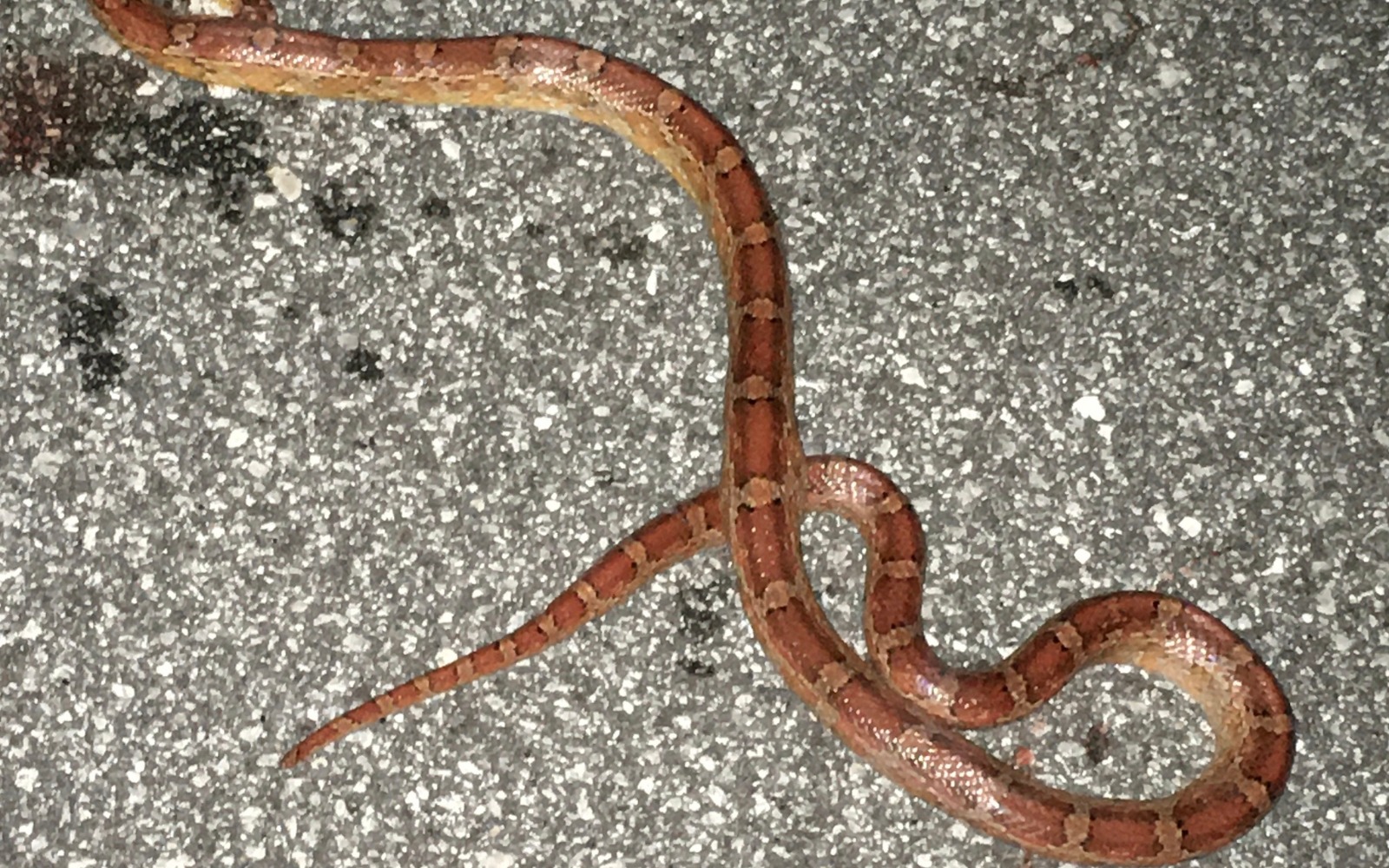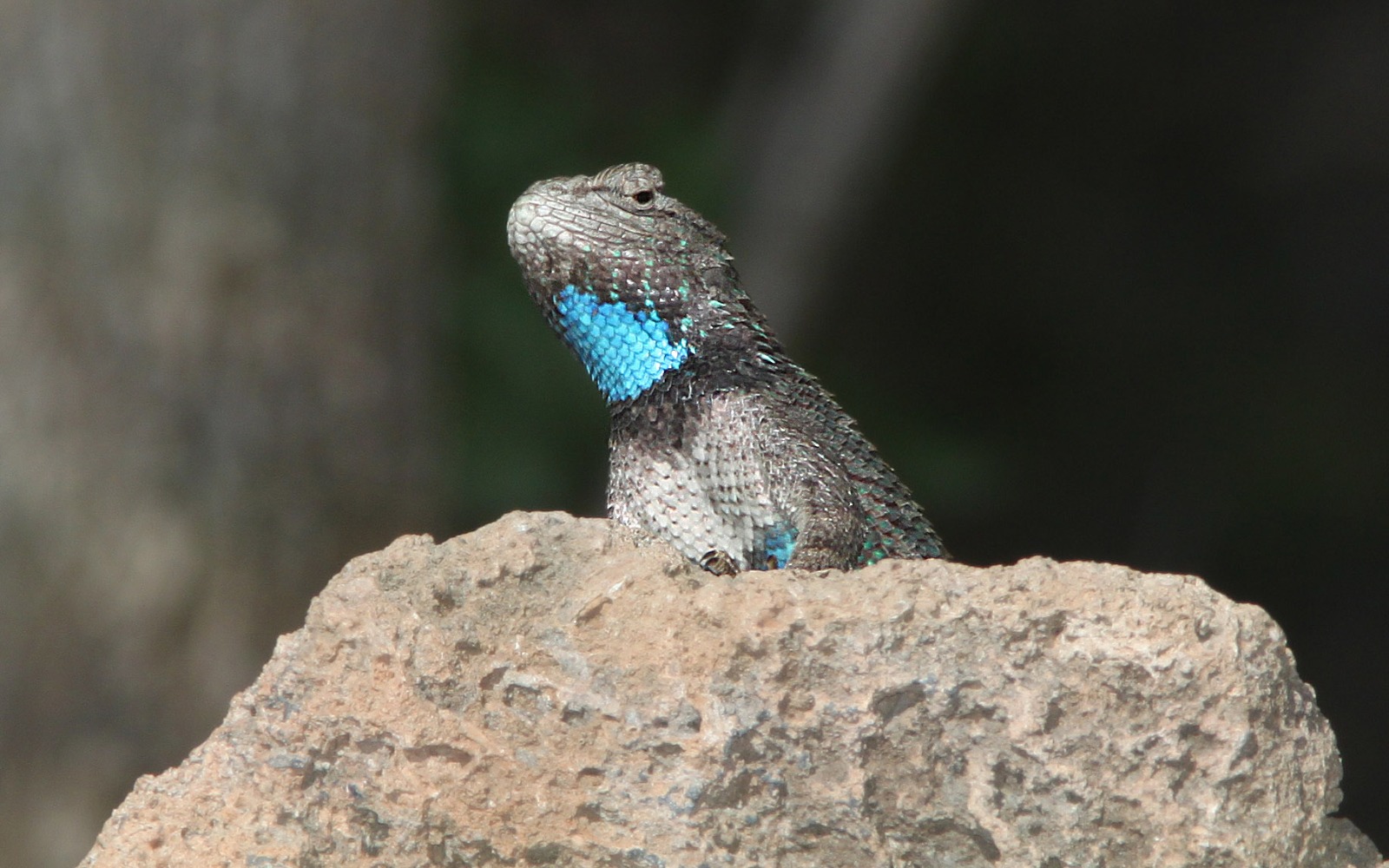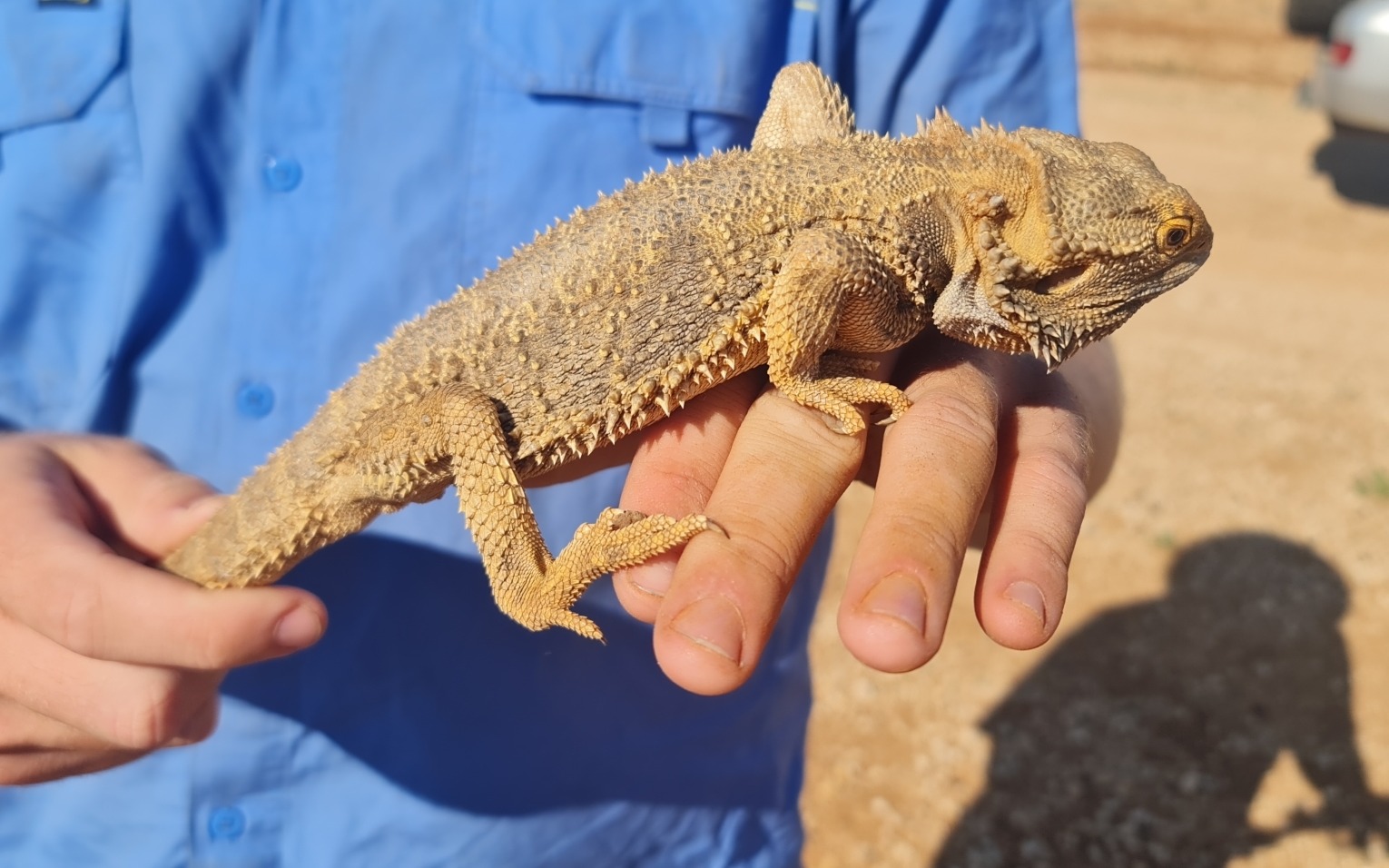
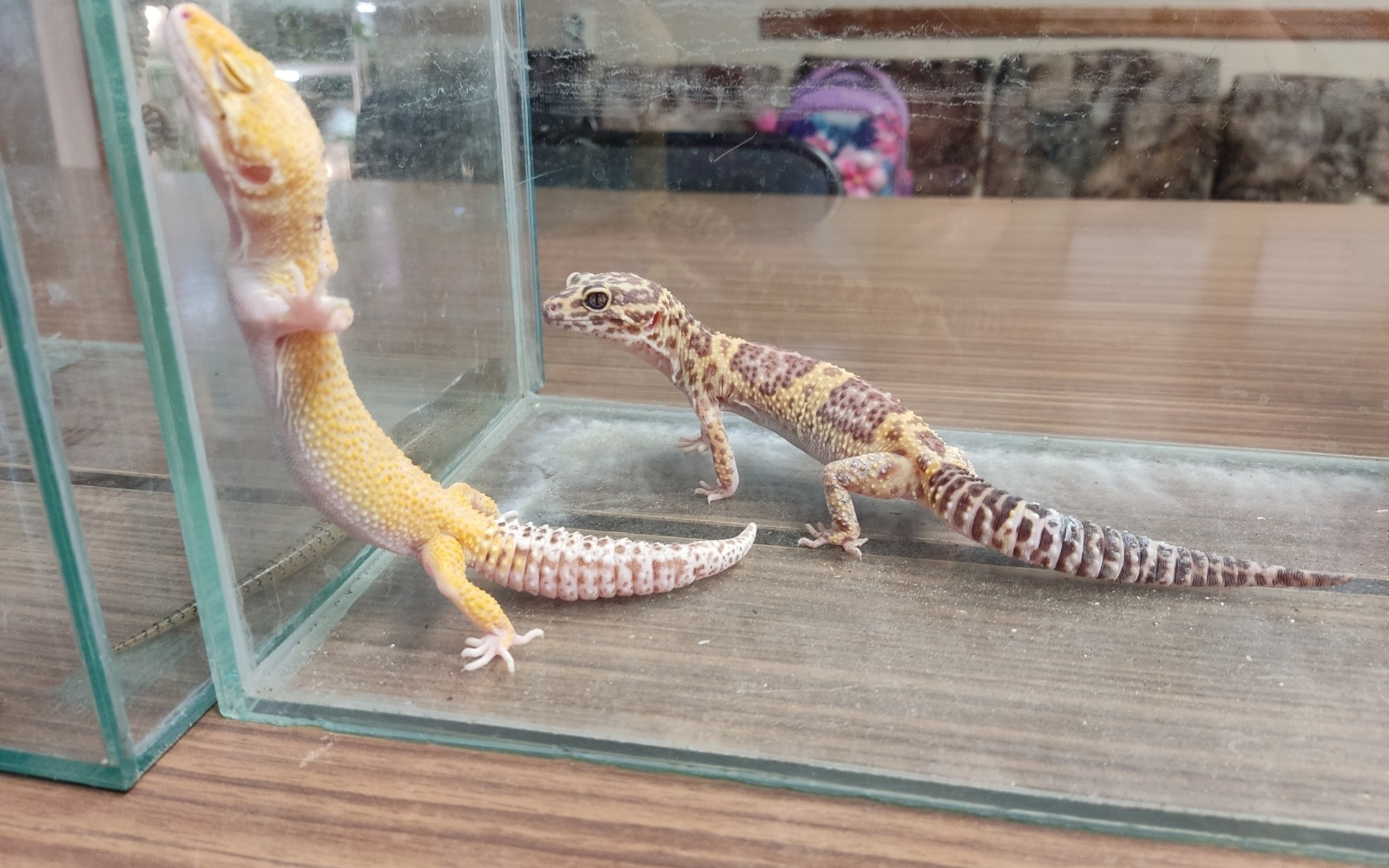
Reptiles make fascinating pets. Watching a gecko hunt, a bearded dragon bask, or a snake explore its enclosure can be relaxing and rewarding. Many reptiles are quiet, clean, and need little space compared with a dog.
But reptiles are not "easy" pets by default. They depend completely on you to create the right environment. This guide explains the reptile care basics every first-time owner should understand: heat, light, humidity, food, handling, hygiene, and when to call a vet.
Why Reptile Care Is Different
Reptiles are ectotherms. That means they cannot make their own body heat. Instead, they move between warm and cool spots to control their temperature. Their digestion, immune system, and activity level all depend on the heat you provide.
This is why most reptile health problems come from the setup, not from bad luck. Get the habitat right, and you prevent many common illnesses before they begin. Good reptile care is really good environment care.
Research Your Species First
There is no single set of reptile care rules for every reptile. A desert-dwelling bearded dragon needs very different conditions than a tropical crested gecko. Before you buy anything, learn your species' needs for:
- Adult size and enclosure size
- Daytime and nighttime temperatures
- UVB lighting needs
- Humidity range
- Diet: insects, rodents, plants, or a mix
- Expected lifespan, which can be 10 to 20 years or more
Set up and test the enclosure for several days before your reptile arrives.
[Internal Link Suggestion: choosing an easy first species → best reptiles for beginners: easy pets to start with]
Creating the Right Habitat
The enclosure is the center of reptile care. Think of it as your pet's entire world, because that is exactly what it is.
Enclosure Size and Security
Choose an enclosure that fits your reptile's adult size, not just its baby size. Many reptiles grow quickly. Use a secure lid or locking doors, because reptiles are excellent escape artists.
Heat and the Temperature Gradient
Create a temperature gradient: a warm side and a cooler side. This lets your reptile choose the temperature it needs at any moment.
- Use a basking lamp, ceramic heat emitter, or deep heat projector as the main heat source
- Control heat with a thermostat to prevent overheating
- Measure temperatures with digital thermometers on both sides
- An infrared temperature gun helps you check the basking surface
Avoid heat rocks. They can overheat and cause serious burns.
UVB Lighting
Many reptiles, especially lizards and tortoises, need UVB light. VCA Animal Hospitals explains that UVB helps reptiles make vitamin D3 in their skin, which they need to absorb calcium. Without it, reptiles can develop metabolic bone disease. VCA also notes that glass and plastic block UVB, so nothing should sit between the bulb and your pet.
UVB output fades over time even when a bulb still looks bright. Replace bulbs on the schedule the manufacturer recommends.
Humidity
Each species needs a specific humidity range. Too dry can cause shedding problems. Too damp can lead to skin and respiratory infections. Use a digital hygrometer, and adjust with misting, water bowls, or substrate choices.
Substrate and Hides
Provide at least two hides: one on the warm side and one on the cool side. Choose a substrate that suits your species and is easy to spot-clean. Add branches, rocks, and plants for climbing and enrichment.
Feeding Your Reptile
Diet is a major part of reptile care, and it varies widely by species.
Insect Eaters
Geckos and many lizards eat live insects such as crickets, dubia roaches, and mealworms. "Gut-load" insects by feeding them healthy food before offering them to your pet. Dust insects with calcium and vitamin powder as your vet or care guide recommends.
Meat Eaters
Snakes eat whole prey, such as mice or rats. Most keepers feed frozen-thawed prey, which is safer for the snake and more humane.
Plant Eaters
Tortoises and some lizards eat mainly leafy greens, weeds, and vegetables. They need a high-fiber diet and calcium support.
Always provide fresh water in a clean, shallow bowl.
Handling Your Reptile Safely
Handling is an optional part of reptile care, not a daily requirement. Many reptiles tolerate gentle handling, but they rarely enjoy it the way a dog does. Let a new reptile settle in for a week or two before handling.
- Approach from the side, not from above like a predator
- Support the whole body
- Keep sessions short at first
- Never grab a lizard by the tail; some species can drop it
- Avoid handling snakes for a day or two after they eat
Hygiene and Salmonella Safety
Clean habits are a simple but vital part of reptile care. Hygiene protects both you and your pet. The CDC warns that reptiles can carry Salmonella germs even when they look healthy. It advises washing your hands after touching reptiles or anything in their habitat, and keeping reptiles and their supplies away from kitchens and food areas.
- Spot-clean waste daily
- Clean water bowls often
- Disinfect the enclosure regularly with a reptile-safe cleaner
- Supervise children and make sure they wash their hands
The CDC also advises that households with children under five, older adults, or people with weak immune systems should think carefully before keeping reptiles.
A Simple Reptile Care Routine
A regular schedule keeps reptile care manageable and helps you notice problems early.
Daily
- Check temperatures on both sides and the basking spot
- Check humidity for your species
- Refresh water and remove waste
- Feed according to your species and age
Weekly
- Weigh your reptile and note the result
- Wipe glass and clean décor as needed
- Check your supplement and insect supplies
Every Few Months
- Deep-clean the enclosure and replace loose substrate
- Check the age of the UVB bulb and replace it on schedule
- Test that thermostats and thermometers still read correctly
Common Reptile Care Mistakes
- Buying the reptile before the setup. The enclosure must be ready and tested first.
- No thermostat. Uncontrolled heat can burn or overheat your pet.
- Skipping UVB for species that need it.
- Guessing temperatures instead of measuring them.
- Using an enclosure that is too small for the adult size.
- Relying on pet store advice alone. Cross-check with a reptile vet or trusted care guide.
When to See a Vet
Find a vet who treats reptiles before you bring your pet home, and book a check-up in the first weeks. Reptiles hide illness, so watch closely. Contact your vet if you notice:
- Refusing food for longer than is normal for the species
- Weight loss, sunken eyes, or wrinkled skin
- Swollen limbs or jaw, soft bones, or trembling
- Open-mouth breathing, bubbles, or mucus around the nose or mouth
- Stuck shed, especially around toes, tail, or eyes
- Runny or abnormal droppings, or no droppings for a long time
Many reptile illnesses are linked to the environment, so good reptile care and good vet care go together. Bring photos of your setup and your temperature readings to the appointment.
[Internal Link Suggestion: lighting and diet for lizards → lizard care guide for new owners]
Final Thoughts
Reptile care rewards owners who plan ahead. Choose your species carefully, build and test the enclosure first, measure heat and humidity, provide UVB where needed, feed a species-appropriate diet, and keep good hygiene habits. When your reptile's world is right, it can live a long, healthy life with you.
Keep learning with our reptile care guides.
[Internal Link Suggestion: care basics for pet snakes → snake care basics every beginner should know]