A small pet can bring a lot of joy into a home. Many families start with a small animal because it seems simpler than a dog or a cat. That is often true, but "small" does not mean "no work." Every animal needs the right food, housing, handling, and vet care.
This guide looks at the best small pets for beginners and families. You will learn what each animal is like, how much time it needs, and which homes it suits best. By the end, you should feel confident choosing a pet that fits your real routine, not just the one that looks cutest at the pet store.
What Makes a Good First Small Pet?
Before comparing animals, think about what "beginner-friendly" really means. The best small pets for new owners usually share a few traits:
- Calm temperament: they tolerate gentle handling without biting or panicking.
- Daytime activity: they are awake when your family is awake.
- Simple diet: their food is easy to buy and prepare.
- Hardy health: they are not overly sensitive to small mistakes.
- Reasonable lifespan: long enough to bond, short enough to plan for.
No animal scores perfectly on every point, and small pets differ more than most people expect. The goal is to match the pet's needs with your space, budget, schedule, and the ages of the people in your home.
Top Small Pets for Beginners and Families
Here are the small pets that most often work well for first-time owners, along with their honest pros and cons.
1. Guinea Pigs
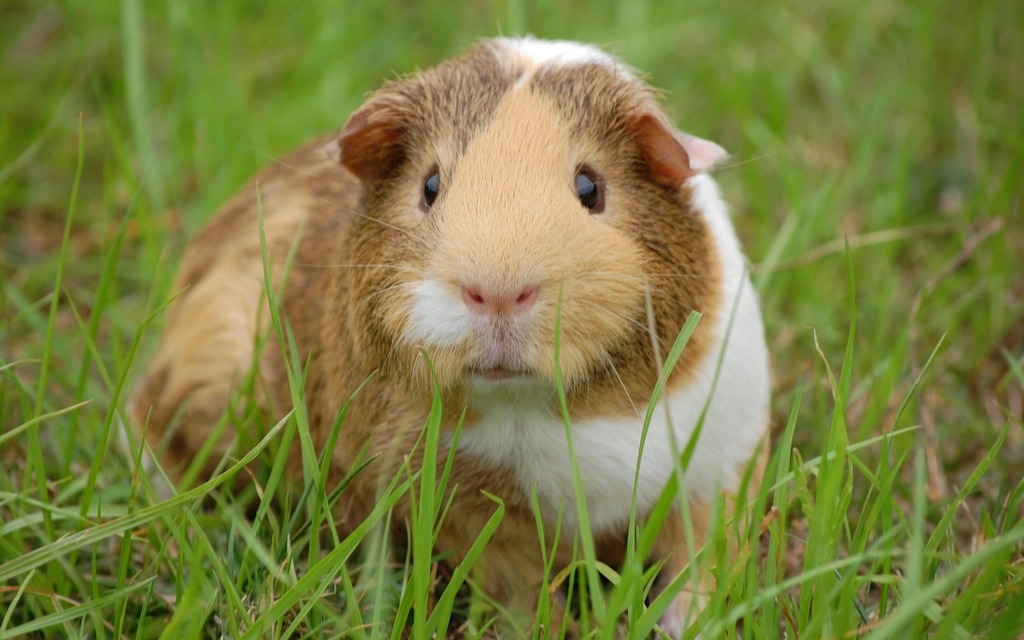
Guinea pigs are often the top pick for families. They are gentle, chatty, and rarely bite. Many squeak with excitement when they hear the fridge door open.
- Lifespan: usually around 5 to 7 years
- Social needs: they are herd animals and do best in pairs
- Diet: unlimited hay, fresh vegetables, and guinea pig pellets
- Key need: vitamin C every day, because they cannot make their own
Guinea pigs need a large enclosure, more than most store cages provide. They are a good choice for school-age children who can sit on the floor and hold them calmly.
[Internal Link Suggestion: daily guinea pig routines → guinea pig care tips for a happy and healthy pet]
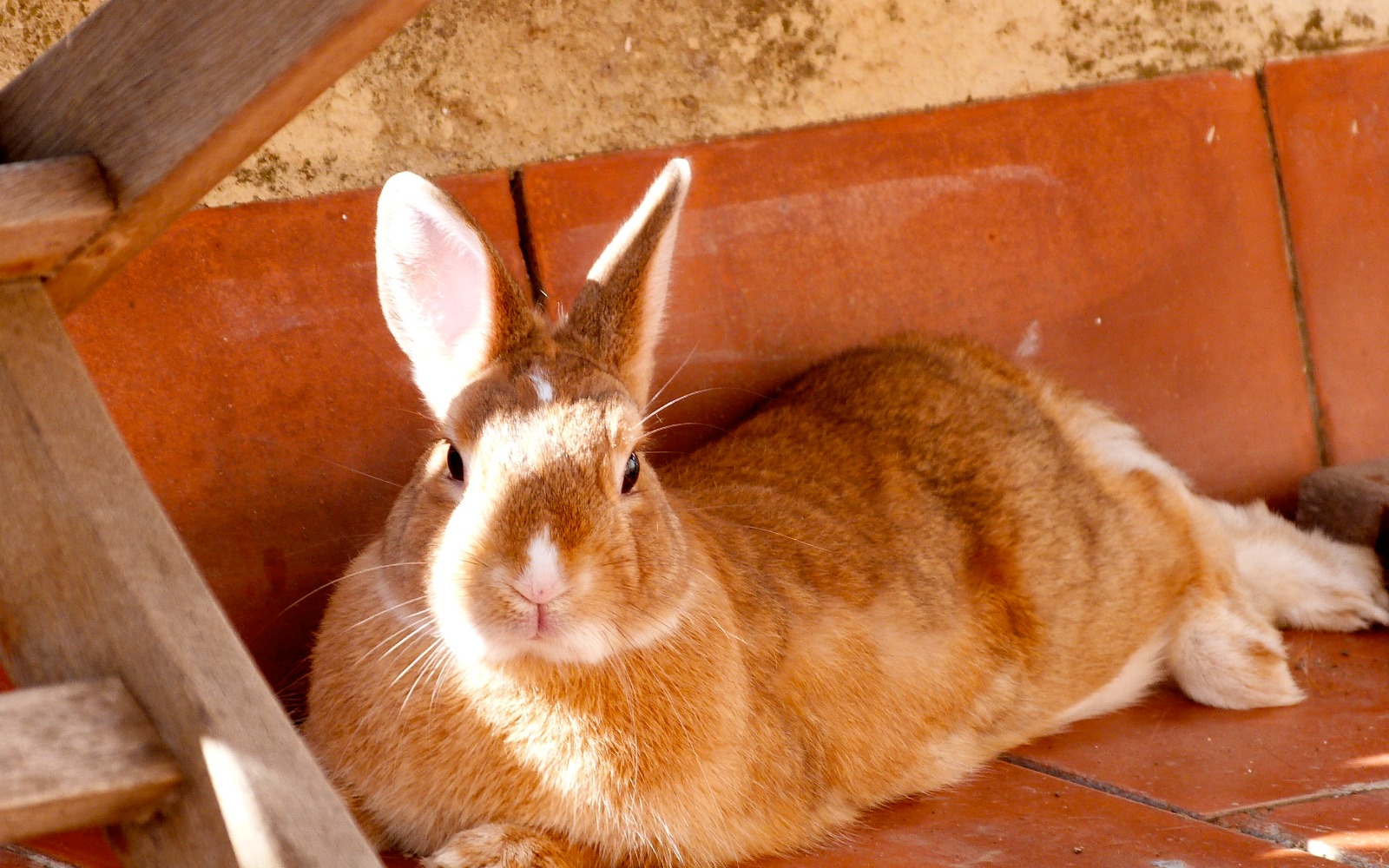
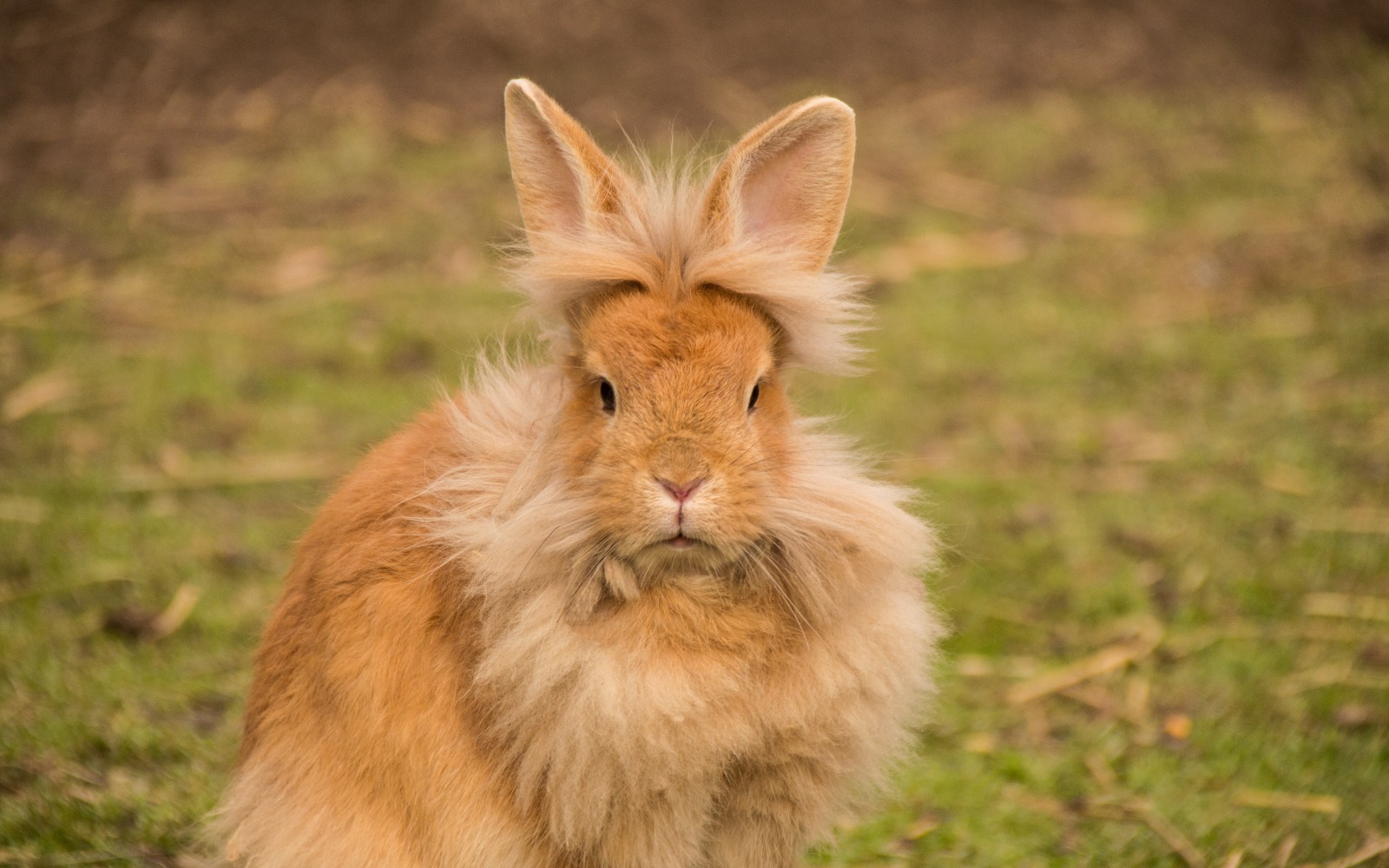
2. Rabbits
Rabbits are smart, curious, and full of personality. They can learn their names and even use a litter box. However, they are not the "easy starter pet" many people imagine.
Rabbits need daily exercise time outside their pen, a hay-based diet, and gentle handling. Many do not enjoy being picked up. They often live 8 to 12 years, so they are a long commitment. Rabbits suit families with older children and adults who enjoy a pet with a strong character.
3. Pet Rats
Rats surprise many people. They are clean, clever, and very social with their owners. Many rats learn tricks, come when called, and enjoy riding on a shoulder.
The main downside is their short life, usually 2 to 3 years. They also need a same-sex companion and a large, multi-level cage. For families who want an interactive pet that loves attention, rats are one of the most rewarding small pets you can choose.
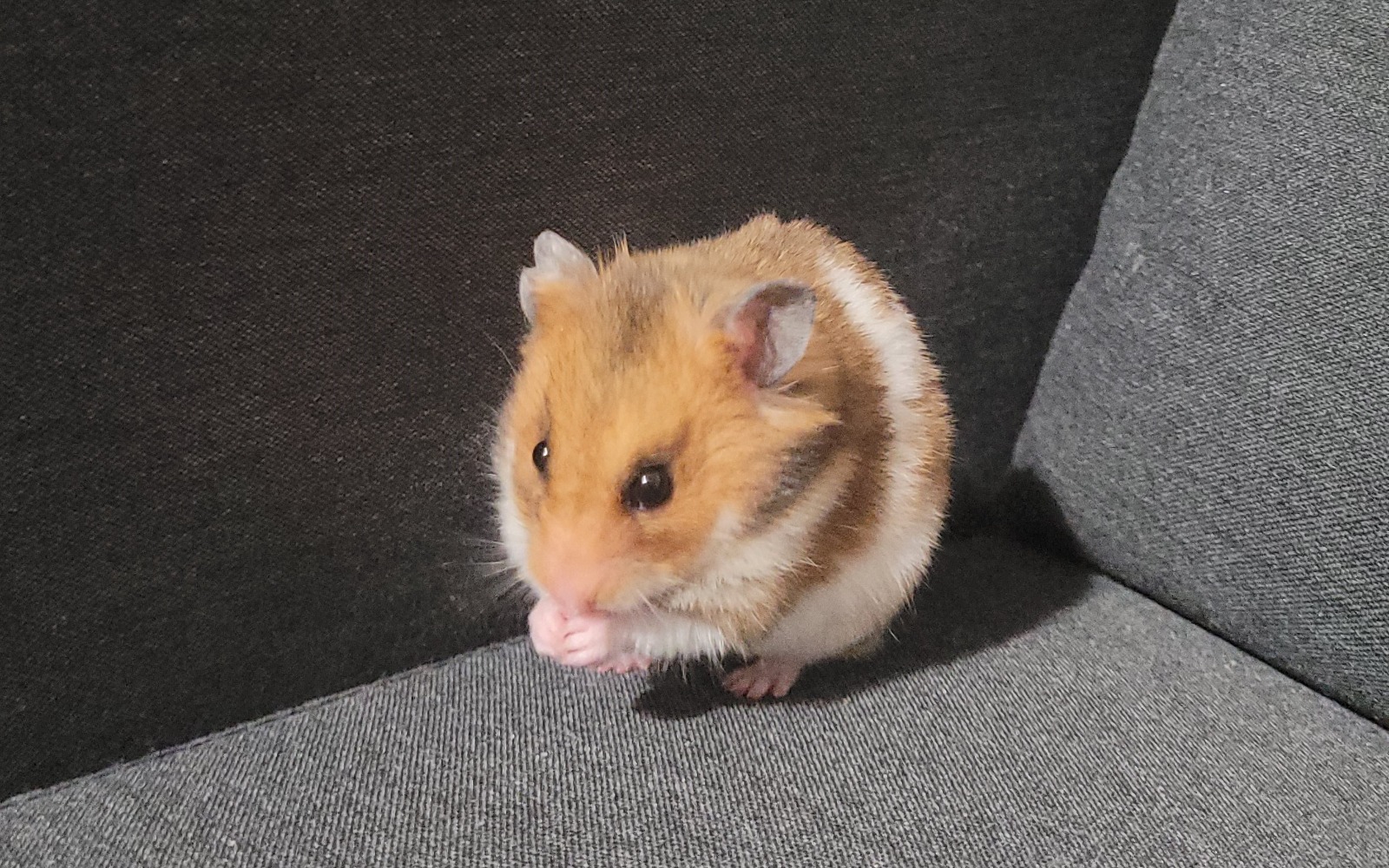
4. Hamsters
Hamsters are cute and fit into small homes. Syrian hamsters live alone, which makes them simple in one way. But they are mostly active at night, and a startled hamster may bite.
Hamsters are best for older children or adults who enjoy watching evening activity. They are not ideal for toddlers who want a cuddly pet during the day.
[Internal Link Suggestion: hamster setup and handling → hamster care guide for beginners]
5. Gerbils
Gerbils are active, curious, and less smelly than many other rodents. They are awake at different times during the day and night, so children often see them busy digging and exploring.
They live in same-sex pairs and need a deep tank or enclosure for burrowing. Gerbils are quick movers, so they are better for watching than for long cuddles.
Quick Comparison of Popular Small Pets
| Pet | Typical Lifespan | Handling | Best For |
|---|---|---|---|
| Guinea pig | 5–7 years | Gentle, rarely bites | Families with kids 6+ |
| Rabbit | 8–12 years | Prefers floor time | Patient families, adults |
| Rat | 2–3 years | Very friendly | Kids 8+, teens, adults |
| Hamster | 1.5–3 years | May nip if woken | Older kids, adults |
| Gerbil | 3–4 years | Fast, curious | Watchers, older kids |
How to Choose the Right Small Pet for Your Home
Once you know the options, ask a few honest questions as a family. Choosing between small pets is much easier when everyone agrees on who does what, and when.
How Much Time Do You Have?
Even low-maintenance small pets need daily feeding, fresh water, and a quick health check. Guinea pigs and rabbits also need floor time and weekly deep cleaning. If your days are very busy, a pair of rats or gerbils may fit better than a rabbit.
Who Will Be the Main Carer?
Children can help, but an adult should always be responsible. Kids lose interest, go to camp, or get busy with school. Plan for an adult to handle feeding, cleaning, and vet visits.
What Is Your Budget?
The animal itself is often the cheapest part. Budget for a large enclosure, bedding, hay or food, chew toys, and a vet who treats exotic pets. Small pets can get sick quickly, and exotic vet visits can cost more than you expect.
Common Mistakes New Owners Make
Many problems with small pets come from simple mistakes that are easy to avoid:
- Buying a cage that is too small. Most store cages are far below what these animals need.
- Keeping social animals alone. Guinea pigs, rats, and gerbils need company of their own kind.
- Feeding a seed-heavy diet. Colorful seed mixes let pets pick out fatty treats and skip healthy food.
- Letting young kids carry pets around. A fall from a child's arms can cause serious injury.
- Waiting too long to see a vet. Small animals hide illness until they are quite sick.
A good rule: set up the enclosure and find an exotic-pet vet before you bring your new pet home.
When to See a Vet
Small pets are prey animals, so they often hide pain. Book a check-up soon after bringing any new pet home. After that, watch for warning signs that need prompt care:
- Not eating or drinking for more than half a day
- Diarrhea, a dirty bottom, or very small or no droppings
- Breathing noises, sneezing, or discharge from the eyes or nose
- Hunched posture, hiding, or sudden weight loss
- Overgrown teeth or drooling
For rabbits and guinea pigs, a pet that stops eating is an emergency. Call your vet the same day.
[Internal Link Suggestion: setting up your first small animal home → small pet care guide for first-time owners]
Final Thoughts
The best small pets for beginners and families are the ones whose needs match your lifestyle. Guinea pigs suit most families with school-age kids. Rats are ideal if you want a clever, interactive companion. Rabbits reward patient owners who have room and time, while hamsters and gerbils suit people who enjoy watching more than holding.
Take your time, prepare the home first, and remember that small pets depend on you for everything. Choose with your head as well as your heart. The right small pet can become a loved member of the family for years. For more help, explore our small pet care guides.