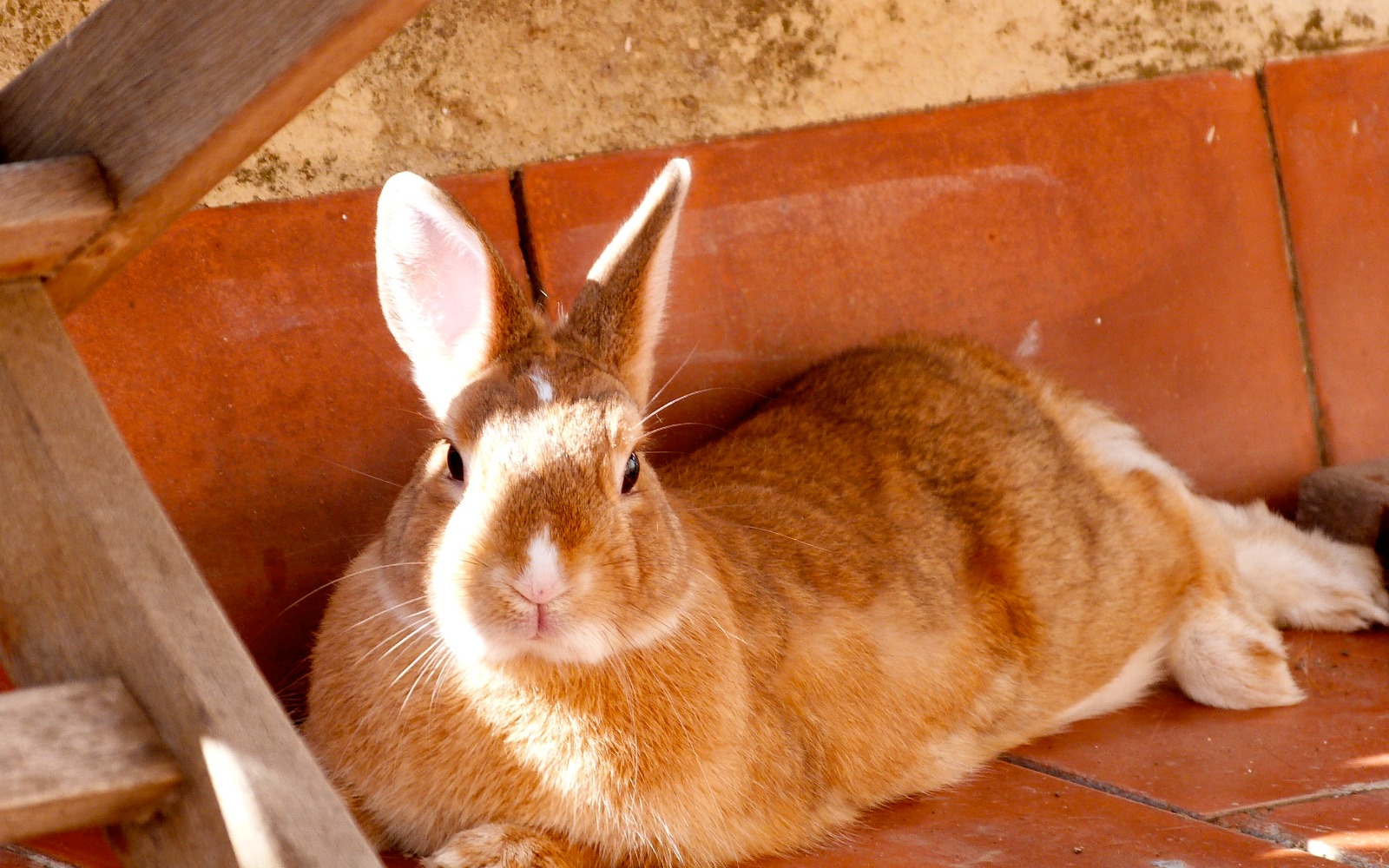
Rabbits are one of the most rewarding pets you can own. They are curious, playful, and affectionate once they trust you. Many learn their names, use a litter box, and follow their owners around the house.
But rabbits are often misunderstood. They are not low-maintenance starter pets, and they can live for many years. This guide covers the rabbit care basics every new owner should know, from diet and housing to handling and health checks, so your bunny can live a long, happy life.
Understanding Your Rabbit
Good rabbit care starts with understanding what a rabbit is. Rabbits are prey animals. They are alert to danger, easily startled, and hide signs of pain. They are also social and need daily interaction.
Rabbits often live 8 to 12 years with good care. Before bringing one home, make sure you are ready for a pet that will be with you for a long time.
What to Feed a Rabbit
Diet is the single most important part of rabbit care. A rabbit's gut and teeth are designed for a high-fiber diet of grass.
Hay Comes First
Unlimited fresh grass hay, such as timothy, orchard, or meadow hay, should be available all day. The House Rabbit Society recommends that hay make up about 85% of an adult rabbit's diet. Chewing hay wears down teeth, which grow throughout life, and keeps the digestive system moving.
Leafy Greens
Offer a variety of fresh, washed leafy greens every day. Good choices include romaine lettuce, cilantro, parsley, basil, and dandelion greens. Introduce new greens slowly, one at a time.
Pellets and Treats
Give a small, measured amount of plain, high-fiber pellets. Avoid colorful mixes with seeds, nuts, and dried fruit. Fruit and sweet treats should be tiny and occasional.
- Never feed: chocolate, bread, crackers, cereal, onions, or garlic
- Limit: carrots and fruit, which are high in sugar
- Always provide: fresh water in a heavy bowl or bottle
Housing Your Rabbit
Housing is where many new owners get rabbit care wrong. Many hutches and cages sold for rabbits are far too small. Rabbits need space to hop, stretch out fully, and stand up on their back legs.
Indoor Living
Many owners now keep rabbits indoors as house rabbits. A large exercise pen with a hiding box, litter tray, hay, and water works well. Indoor rabbits are safer from predators and extreme weather, and they bond more closely with the family.
Daily Exercise
Rabbits need several hours of exercise every day. Let your bunny explore a safe room or large pen. Watch for "binkies," the happy jumps and twists rabbits do when they feel good.
[Internal Link Suggestion: setting up any small animal enclosure → small pet care guide for first-time owners]
Bunny-Proofing Your Home
Rabbits chew. It is natural behavior, not bad behavior. Protect your rabbit and your home by:
- Covering electrical cords with plastic tubing or keeping them out of reach
- Blocking gaps behind furniture and appliances
- Removing toxic houseplants
- Offering safe chew items like willow balls, apple sticks, and cardboard
Litter Training
Litter training is a helpful part of rabbit care. Rabbits naturally choose one or two toilet spots. Place a litter box with paper-based litter and a pile of hay in the corner your rabbit already uses. Rabbits like to eat and toilet at the same time, so hay above the box helps. Spayed and neutered rabbits are usually much easier to litter train.
Handling and Bonding
Most rabbits do not enjoy being picked up. Being lifted can feel like being grabbed by a predator. Build trust on the floor instead.
- Sit on the floor and let your rabbit come to you
- Stroke the forehead and cheeks, which most rabbits enjoy
- If you must lift, support the chest and hindquarters together
- Never lift a rabbit by the ears or scruff
A rabbit's back is fragile. A strong kick while unsupported can cause a serious spinal injury.
Grooming and Everyday Rabbit Care
Rabbits groom themselves, but good rabbit care still includes regular grooming help:
- Brushing: weekly, and more often during shedding, to prevent swallowed fur
- Nail trims: every few weeks, or ask your vet to show you how
- Teeth checks: look for drooling, dropping food, or uneven front teeth
- Bottom checks: a dirty rear can attract flies in warm weather
Never bathe a rabbit in water unless your vet advises it. Getting wet can cause shock and chilling.
A Simple Daily Rabbit Care Routine
A steady routine makes rabbit care easier for you and more comfortable for your bunny. Rabbits like predictable days.
Morning
- Refill hay and fresh water
- Check that your rabbit is eating and has passed normal droppings overnight
- Offer a portion of fresh greens
Evening
- Give exercise time in a safe room or large pen
- Spot-clean the litter box
- Spend quiet time sitting with your rabbit
Once a week, change the litter fully, wash bowls, and check nails and teeth. This simple rabbit care plan takes little time once it becomes a habit.
Supplies Checklist for New Rabbit Owners
Before adoption day, gather the basics so your rabbit care starts smoothly:
- A large pen or rabbit-safe room
- A hiding box with two doors
- A litter box and paper-based litter
- A hay rack, heavy food bowl, and water bowl
- Safe chew toys and a soft brush
- A sturdy carrier for vet visits
Companionship
Rabbits are social and often happiest with another rabbit. A neutered male and spayed female pair is a common match. Bonding should be done slowly and on neutral ground. Even with a rabbit friend, your bunny still needs daily time with you.
Common Rabbit Care Mistakes
- Feeding too many pellets and not enough hay
- Keeping a rabbit in a small hutch all day
- Giving lots of carrots and fruit as main foods
- Skipping spay or neuter surgery, which affects health and behavior
- Waiting to see if a rabbit that stopped eating will "get better"
When to See a Vet
Good rabbit care includes a vet who knows rabbits. Find a rabbit-savvy vet before you need one. Plan a check-up soon after adoption and yearly exams after that. Ask your vet which vaccines are needed where you live.
Call your vet right away if your rabbit:
- Stops eating or passes few or no droppings for several hours
- Sits hunched and does not want to move
- Has a bloated or hard belly
- Tilts its head, loses balance, or has trouble breathing
- Has diarrhea, drooling, or runny eyes
A rabbit that stops eating may have GI stasis, a slowdown of the gut that can become life-threatening quickly. Treat it as an emergency.
[Internal Link Suggestion: comparing rabbits with other first pets → best small pets for beginners and families]
Final Thoughts
Rabbit care is about hay, space, safety, and trust. Feed plenty of hay, give your bunny room to run, bunny-proof your home, and handle your rabbit gently. Watch daily for changes in eating and droppings, and act fast when something seems wrong.
With the right rabbit care, your bunny can become a loving and entertaining companion for many years. Learn more in our small pet guides.
[Internal Link Suggestion: another herbivore with similar needs → guinea pig care tips for a happy and healthy pet]