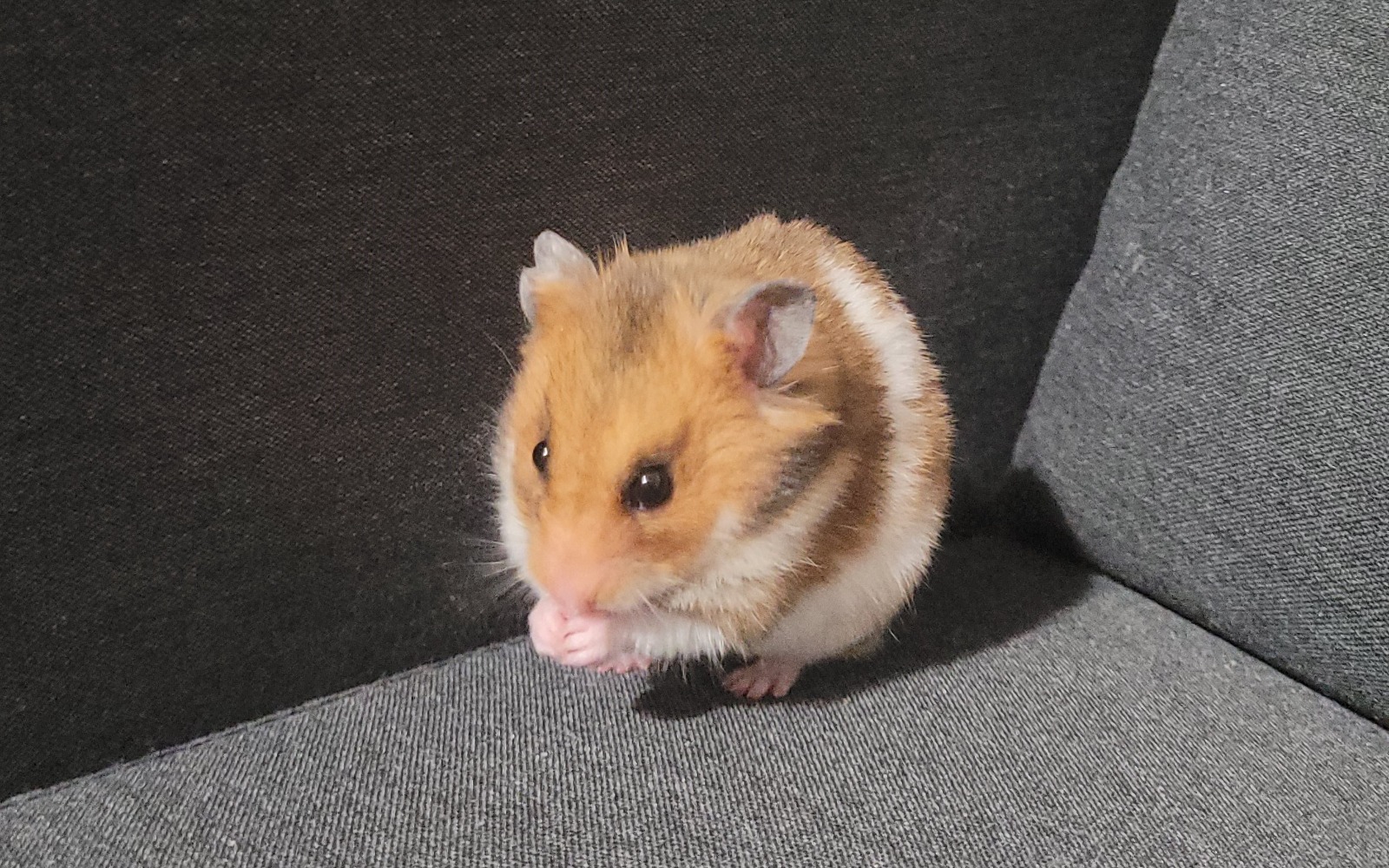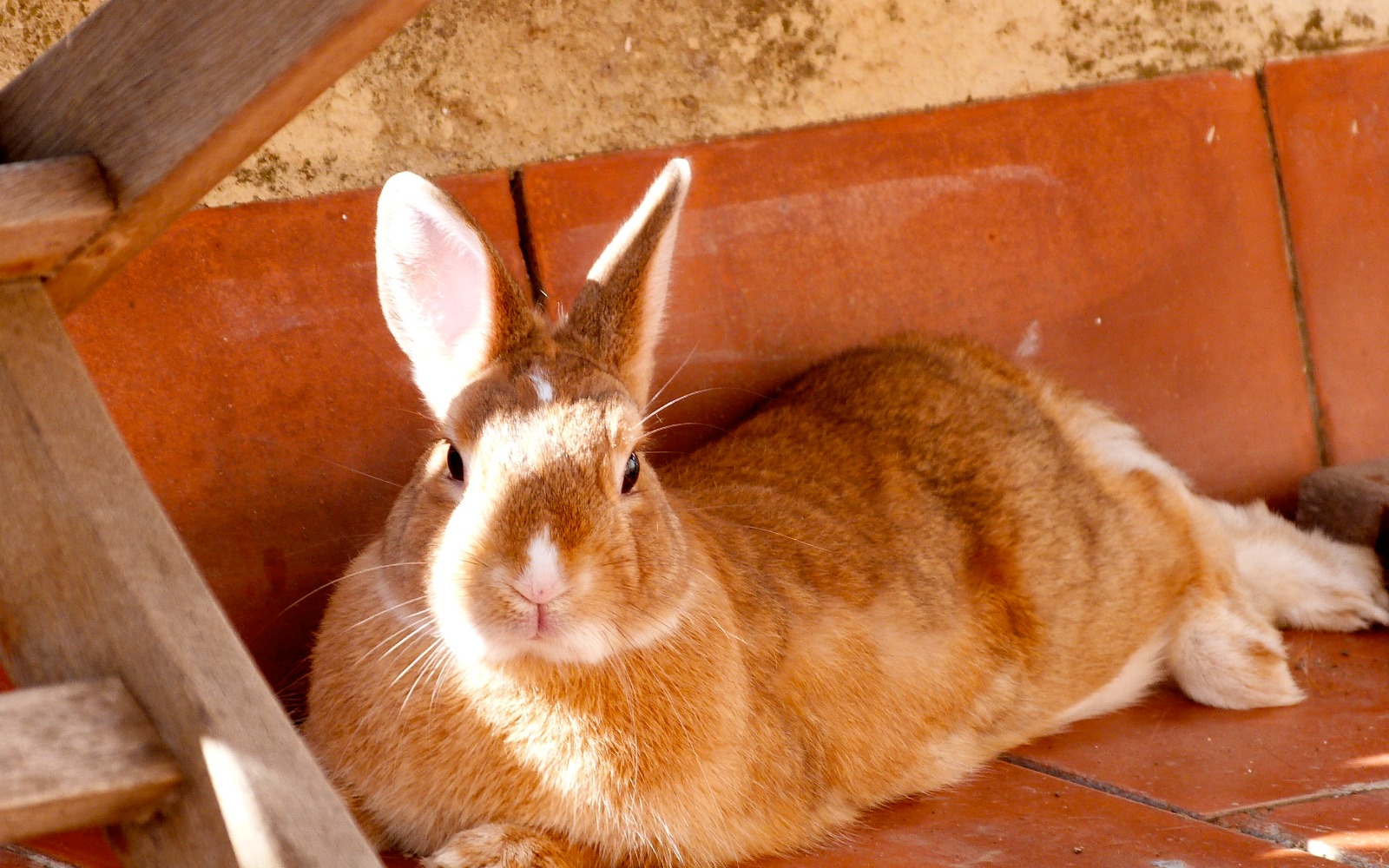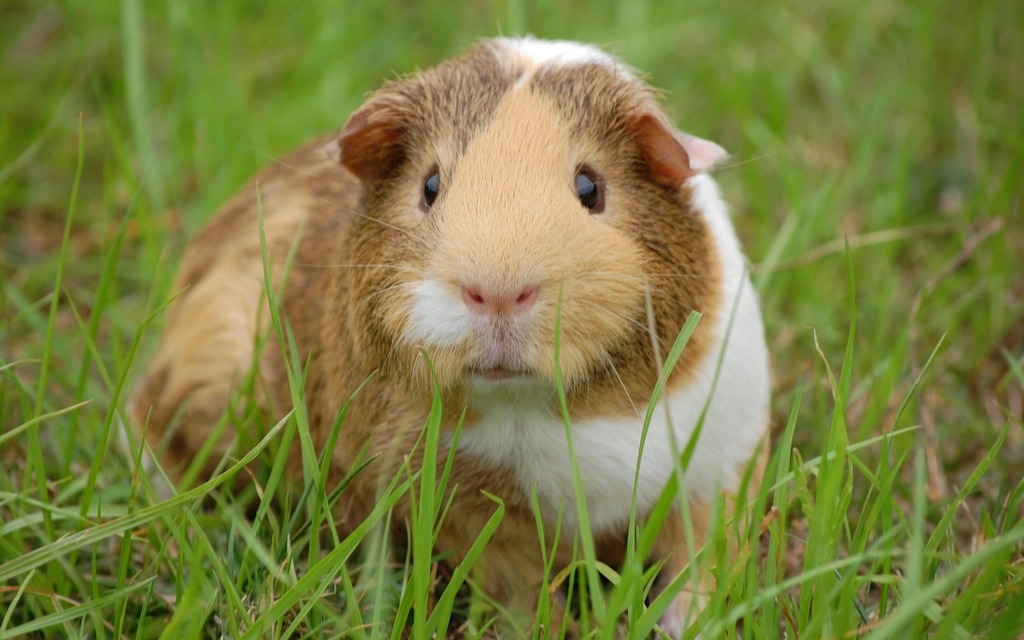
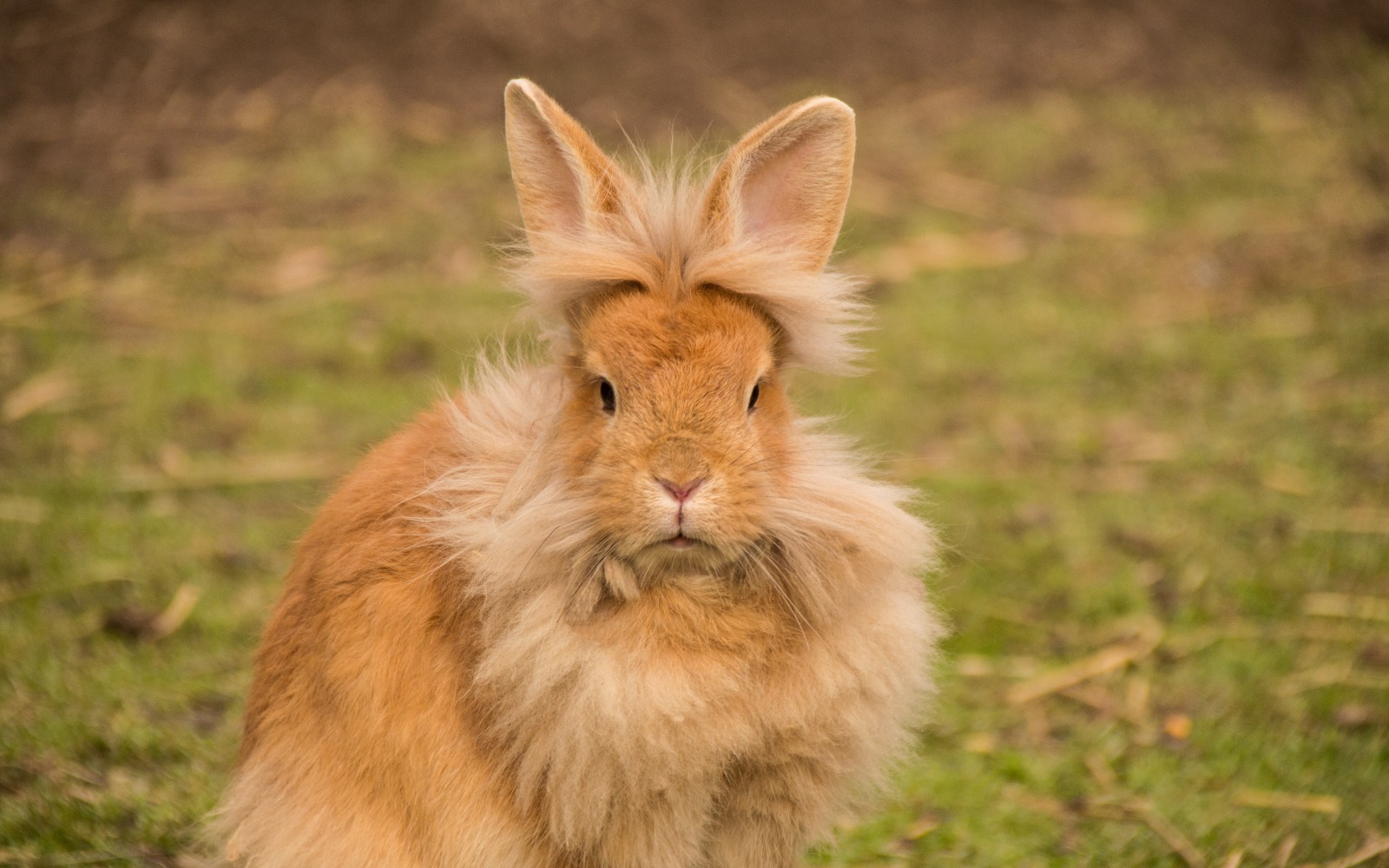
Bringing home your first small pet is exciting. A rabbit, guinea pig, hamster, rat, or gerbil can become a real companion. But these animals are delicate, and many of their needs are not obvious at first.
This small pet care guide walks you through the basics every first-time owner should know. You will learn how to set up a proper home, what to feed, how to clean, how to handle your pet safely, and which signs mean something is wrong. The advice applies to most common small mammals, with notes where species differ.
Prepare Before Your Pet Comes Home
Good small pet care starts before the animal arrives. A calm, ready home makes the first days much less stressful for everyone.
Have these ready in advance:
- A large enclosure suited to the species
- Safe bedding, such as paper-based bedding or aspen shavings
- A hiding house for each animal
- A heavy food bowl and a water bottle or bowl
- The correct food, plus hay for rabbits and guinea pigs
- Chew toys made from untreated wood, cardboard, or hay
Also find a vet who treats exotic pets. Not every clinic sees small mammals, and you do not want to search during an emergency.
Choosing the Right Housing
Housing is the part of small pet care where beginners most often go wrong. Many cages sold in stores are too small for the animals pictured on the box.
Space and Layout
Bigger is almost always better. Rabbits and guinea pigs need room to run, not just turn around. Hamsters and gerbils need a large floor area and deep bedding for digging. Rats need height, with ramps and shelves to climb.
Location in Your Home
Place the enclosure in a quiet room with a steady temperature. Keep it away from direct sun, heaters, drafts, and loud TVs. Small animals overheat easily, so avoid hot rooms in summer.
Safe Materials
Avoid cedar and pine shavings that are not kiln-dried, because their oils can irritate breathing. Skip wire floors, which can hurt feet. Choose solid floors covered with soft bedding.
Feeding Your Small Pet
Diet is the heart of small pet care. Each species has different needs, so read up on your animal before you shop.
Rabbits and Guinea Pigs
These two are grazers. Their diet should be based on unlimited fresh grass hay, such as timothy hay. Hay keeps their gut moving and wears down their teeth, which never stop growing. Add a measured amount of plain pellets and daily leafy greens.
Guinea pigs also need vitamin C every day. VCA Animal Hospitals explains that guinea pigs cannot make vitamin C themselves, so it must come from their food, such as fresh vegetables and fortified pellets.
Hamsters, Gerbils, and Rats
These rodents do well on a quality lab block or pellet made for their species. Add small amounts of fresh vegetables. Avoid seed mixes as the main food, because pets pick out the fatty seeds and leave the healthy parts.
Fresh Water
Provide clean water every day. Check bottles daily, because the ball in the spout can stick. Many rabbits and guinea pigs drink more from a heavy bowl.
[Internal Link Suggestion: feeding a rabbit the right way → rabbit care basics every new owner should know]
A Simple Cleaning Routine
Clean housing prevents smells, skin problems, and breathing issues. A steady routine makes small pet care feel easy instead of overwhelming.
Daily
- Remove uneaten fresh food
- Spot-clean wet or dirty bedding
- Refill hay and fresh water
Weekly
- Replace most of the bedding
- Wash food bowls and water bottles
- Wipe the enclosure with a pet-safe cleaner
Hamsters and gerbils may feel stressed if everything smells new at once. Leave a small handful of clean, old bedding behind so the space still feels familiar.
Handling and Bonding
Most small pets are prey animals. Being lifted can feel like being caught by a predator. Go slowly and let your pet learn to trust you.
- Sit on the floor so a fall is short and safe
- Offer a treat from your hand before trying to lift
- Support the whole body, especially the back and hind legs
- Keep early sessions short and calm
- Never grab by the tail or scruff
Patience is the secret: a pet that chooses to come to you is a pet that trusts you.
Enrichment and Exercise
Boredom causes stress and bad habits like bar biting. Give your pet things to do every day. Tunnels, cardboard boxes, digging boxes, and foraging toys work well. Scatter some food so your pet can search for it.
Rabbits and guinea pigs need safe floor time outside the enclosure. Hamsters need a solid wheel that is large enough for their back to stay straight. Rats enjoy climbing and supervised play.
[Internal Link Suggestion: choosing a hamster wheel and setup → hamster care guide for beginners]
Common Small Pet Care Mistakes
- Choosing a tiny cage. Cramped housing leads to stress and weight gain.
- Keeping social species alone. Guinea pigs, rats, and gerbils need a same-species friend.
- Too many sugary treats. Fruit and yogurt drops can upset digestion.
- Using the wrong bedding. Dusty or scented bedding can harm the lungs.
- Ignoring small changes. Small pets hide illness until it becomes serious.
Budgeting for Small Pet Care
Many first-time owners are surprised by the true cost of a small animal. The pet may be inexpensive, but the setup and ongoing supplies add up. Planning ahead makes small pet care much less stressful.
- One-time costs: enclosure, hides, bowls, bottle, wheel or tunnels, and a travel carrier
- Monthly costs: bedding, hay, pellets, fresh vegetables, and chew toys
- Vet costs: a first check-up, yearly exams, and an emergency fund
Set aside a small amount each month for unexpected vet bills. Exotic-pet care can be costly, and having savings ready means you can act quickly instead of waiting.
Daily Health Checks
Spend one or two minutes each day looking at your pet. Good small pet care means noticing changes early. Check that your pet:
- Eats and drinks normally
- Has normal droppings and a clean bottom
- Has bright, clear eyes and a clean nose
- Moves freely without limping or hunching
- Has teeth that look even and not overgrown
Weigh your pet weekly on a kitchen scale. A slow weight loss is often the first sign of illness.
When to See a Vet
Schedule a check-up within the first week. After that, contact your vet quickly if you notice:
- Not eating, or no droppings, for several hours (urgent for rabbits and guinea pigs)
- Diarrhea or a wet, dirty bottom
- Labored breathing, wheezing, or nasal discharge
- Lumps, wounds, hair loss, or constant scratching
- Drooling, weight loss, or trouble chewing
Small animals can go downhill fast. When in doubt, call your vet.
[Internal Link Suggestion: comparing beginner-friendly species → best small pets for beginners and families]
Final Thoughts
Small pet care comes down to a few simple habits: a large, safe home, the right diet, regular cleaning, gentle handling, and daily health checks. Build these into your routine from day one, and your new pet has the best chance of a long, happy life.
Every species has its own quirks, so keep learning as you go. Explore our small pet guides for species-specific tips.